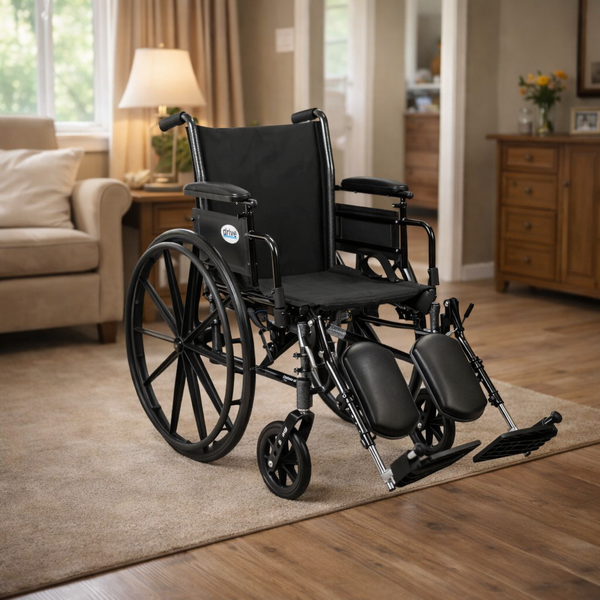
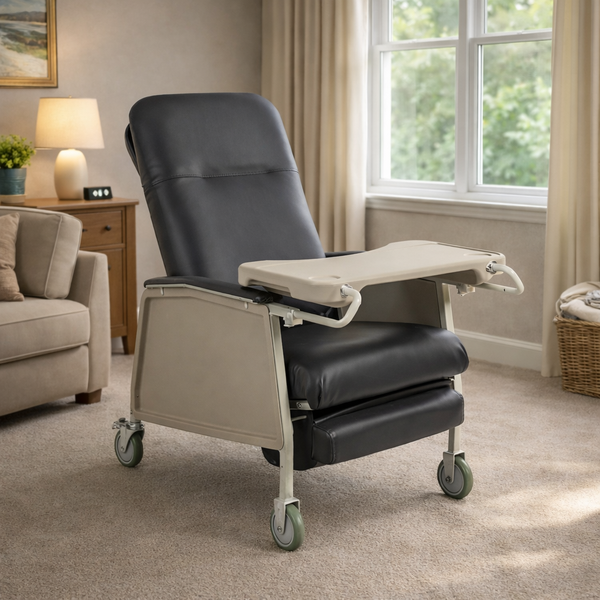
Wheelchairs

Standard, reclining, bariatric, pediatric, and transport wheelchairs — plus geriatric chairs — from Drive Medical, fitted and delivered to your home.

General Help

Click a tab and open the topic you need. Always follow your physician's instructions — these are general references, not medical advice.

Opening, closing, and transporting your wheelchair
  • To open: place hands on the seat rails and push down with both hands until the frame locks open.
  • To close: grab the upholstery at the center front and back of the seat and pull up.
  • To adjust leg rest length: loosen the nut by the foot plate, adjust, and re-tighten. Always do this with the patient's leg in the elevated position.
  • To transport: lock the wheels, remove the foot or leg rests, grab the front of the frame and the rear wheels, and lift carefully.
Fitting the wheelchair to the patient
  • Seat width: the patient's hips should have approximately 1 inch of clearance on each side. Too narrow restricts circulation; too wide makes self-propulsion harder.
  • Seat depth: there should be 2–3 fingers of space between the front edge of the seat and the back of the knee.
  • Footrest height: thighs should rest level with the seat; feet should rest flat on the footpads without dangling.
  • Armrest height: forearms should rest comfortably with shoulders relaxed — not raised or hunched.
  • Contact our team at (718) 854-5501 if you need assistance with fitting.
Using a reclining wheelchair
  • The reclining back allows repositioning for pressure relief, rest, or medical procedures — always recline slowly and support the patient's head during transitions.
  • Engage both wheel locks before reclining or returning the seat back to upright.
  • Use the elevating leg rests in the raised position when the back is reclined to keep the legs supported.
  • Limit full recline to periods supervised by a caregiver to prevent sliding or falls.
Using a transport chair
  • A transport chair has small rear wheels and is designed to be pushed by a caregiver — the passenger cannot self-propel.
  • Always engage both rear wheel locks before assisting the passenger in or out of the chair.
  • To fold: flip up both footrests, then lift the center seat strap to collapse the frame.
  • The lightweight aluminum frame loads easily into most vehicle trunks.
Wheelchair safety tips
  • Never use the wheelchair without foot or leg rests — this can cause circulation problems.
  • Never stand on foot or leg rests.
  • Always lock the wheels when getting in or out of the chair.
  • Put the wheelchair against a wall, or have someone steady it from behind, whenever possible during transfers.
  • Wheel locks are not brakes — they are parking locks only.
  • Use caution on wet, slippery, or uneven surfaces.
  • Do not reach beyond the seat area — you could lose your balance and tip the chair.
  • Never hold onto removable parts (armrests, footrests) when lifting the wheelchair.
Bariatric wheelchair safety
  • Always confirm the weight capacity printed on the chair frame before use — never exceed it.
  • The dual cross-brace construction must be fully locked open before use; confirm both latches click.
  • Two caregivers are recommended for transfers at higher weight capacities.
  • Inspect wheel locks and cross-brace bolts more frequently under heavier loads.
Getting the best fit and training

A physical therapist or occupational therapist can provide the best fitting and training for wheelchair use. Ask your physician for a referral. Our team at (718) 854-5501 can also assist with basic fit adjustments at delivery.

How do I clean my wheelchair frame?
  1. Wipe down the frame weekly with a damp cloth and mild soap. Pay extra attention to armrests and push handles, which accumulate skin oils.
  2. Dry the frame thoroughly after cleaning — moisture left in joints can cause rust on steel frames.
  3. Apply a silicone-based lubricant (not WD-40) to wheel axles and folding cross-brace joints every 3 months to keep movement smooth.
  4. Do not submerge the chair or use a pressure washer — this can damage upholstery and wheel bearings.
  5. Inspect the seat upholstery for tears or sagging monthly. A worn seat affects posture and skin safety — call us to arrange replacement.
How do I check and maintain wheelchair tire pressure?
  1. Check pneumatic (air-filled) tire pressure monthly using a standard bicycle tire gauge. Most manual wheelchair tires require 80–100 PSI — check the tire sidewall for your specific model's recommended pressure.
  2. Inflate using a bicycle pump with the correct valve adapter (Schrader or Presta, depending on your chair).
  3. If a tire consistently loses pressure, inspect for punctures. Call our team at (718) 854-5501 to arrange tire replacement.
  4. Solid (flat-free) tires require no inflation but should be inspected monthly for cracks or uneven wear.
Inspect before each use
  • Wheel locks: both brakes should engage firmly before each transfer. Test by locking brakes and trying to push the chair.
  • Footrests and leg rests: confirm they are securely attached and adjusted to the correct height.
  • Frame: the chair should be fully open and latched before use.
  • If anything feels loose or unsafe, call us at (718) 854-5501 before using the equipment.
My wheelchair pulls to one side when I push it. What should I check?
  1. Check tire pressure in both rear wheels — uneven pressure is the most common cause. Inflate both tires to the same PSI per the tire sidewall recommendation.
  2. Check that both brakes are fully released — a partially engaged brake on one side will drag the chair in that direction.
  3. Inspect both rear axles for debris wrapped around them (hair, string, carpet fibers) that can create drag on one side.
  4. If the problem continues, the chair may need a wheel alignment or axle adjustment. Call our team at (718) 854-5501 to schedule a service visit.
My wheelchair has a squeaky wheel. How do I fix it?
  1. Identify which wheel squeaks by pushing the chair and listening. Lift each wheel off the ground and spin it by hand to isolate the sound.
  2. Remove any debris (hair, threads) from around the axle.
  3. Apply a small amount of silicone lubricant to the axle bolt where it meets the wheel hub. Avoid getting lubricant on the tire surface or brake pads.
  4. If the noise comes from the front caster forks, apply lubricant to the caster stem bearing.
  5. If squeaking persists after lubrication, a bearing may be worn. Contact our team at (718) 854-5501 for service.
My wheel locks won't hold. What should I do?
  1. Do not perform any transfers until the wheel locks are repaired — a rolling chair during a transfer can cause a serious fall.
  2. Check that the lock lever is fully engaging the tire. If the tire is flat or underinflated, the lock may not grip correctly — inflate first and retest.
  3. If the brake arm is bent or the tension is loose, call our team at (718) 854-5501 for adjustment or replacement.
The frame won't lock open (or won't stay open).
  • A frame that won't lock fully open is unsafe to sit in — do not use the chair until the issue is resolved.
  • Check the cross-brace latch or side-frame locking mechanism for visible damage or debris.
  • Call our team at (718) 854-5501 to arrange service or a replacement.

Our Equipment

Wheelchairs and seating products we deliver, fit, and support in your home.

Standard
Equipment

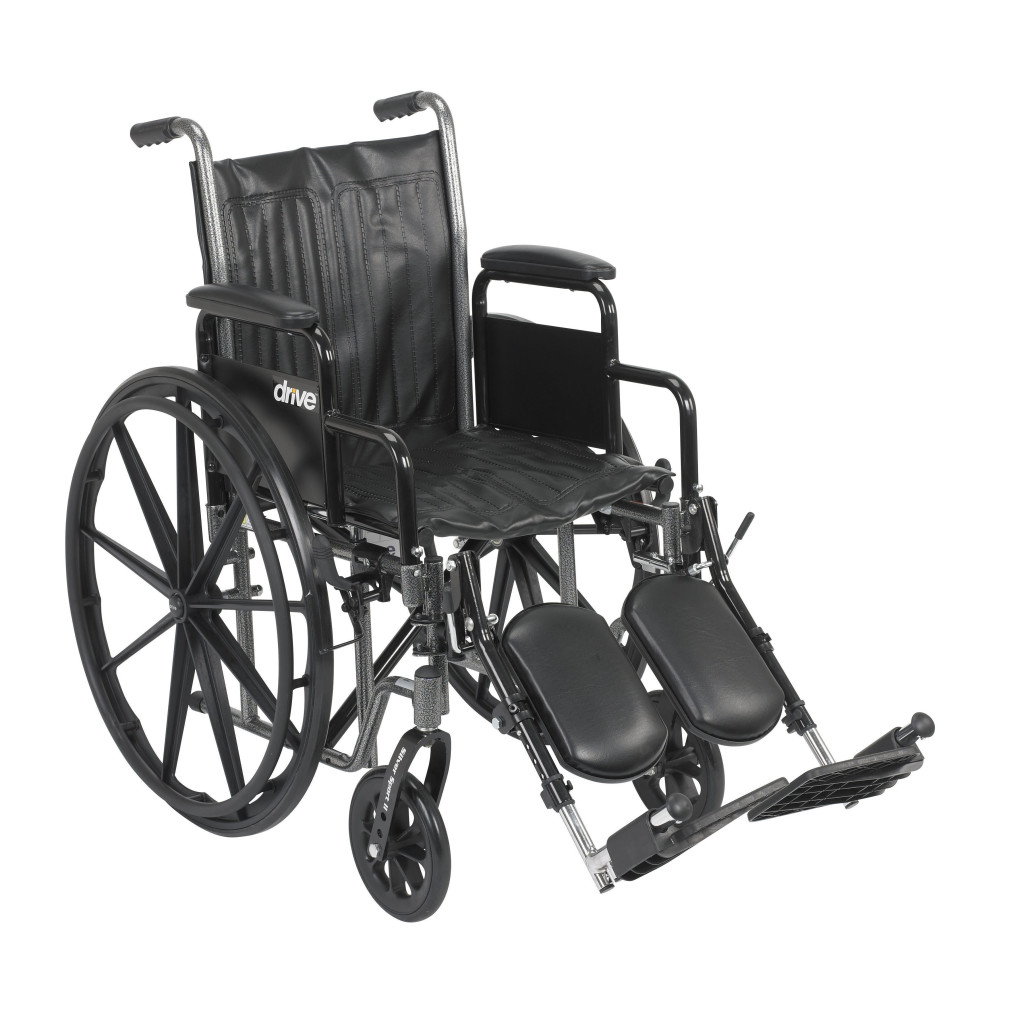
Drive Standard Wheelchair

Drive Standard Wheelchair

Standard manual wheelchair with removable swing-away footrests and elevating leg rests. Available in 14", 16", 18", and 20" seat widths.
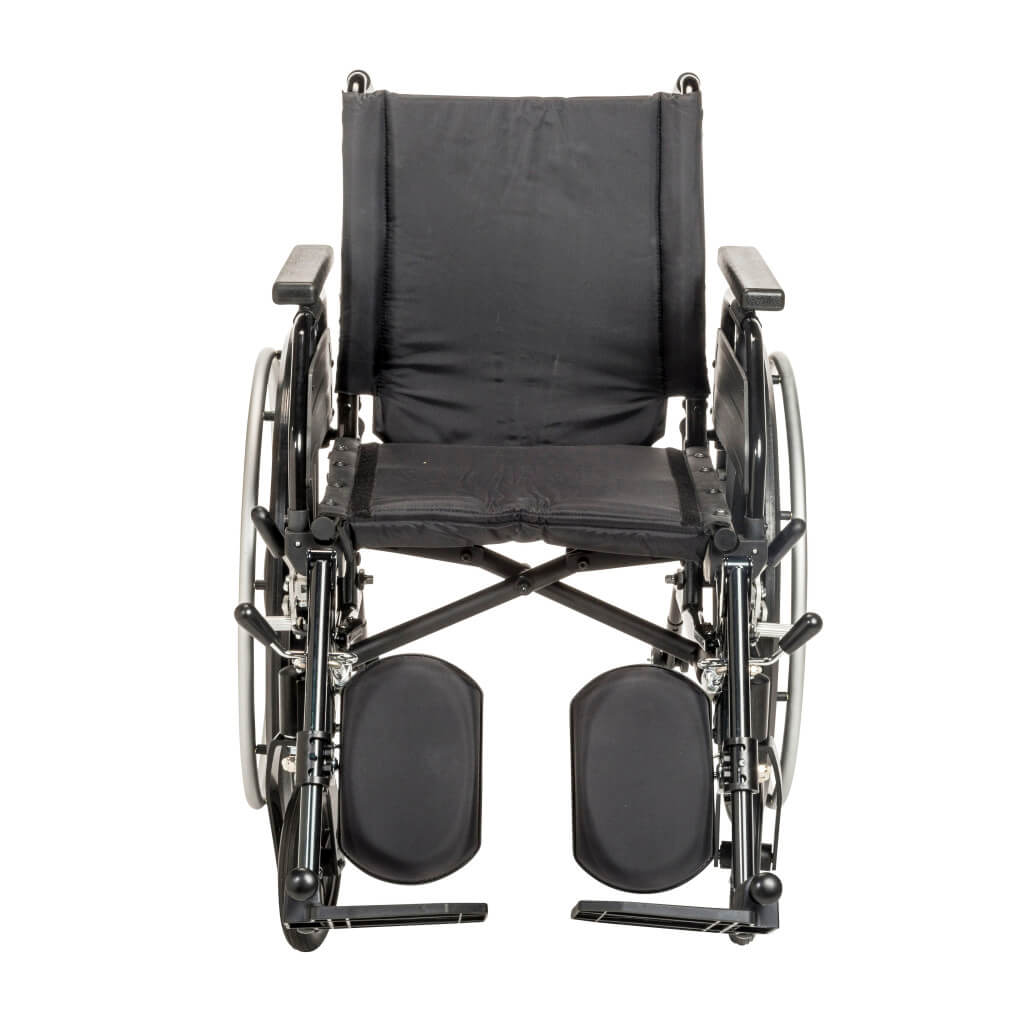
Request Quote
Equipment

Drive Viper+GT 18" Wheelchair

Drive Viper+GT 18" Wheelchair

#PLA418FBUARAD-ELR

Premium Viper+GT with elevating leg rests.
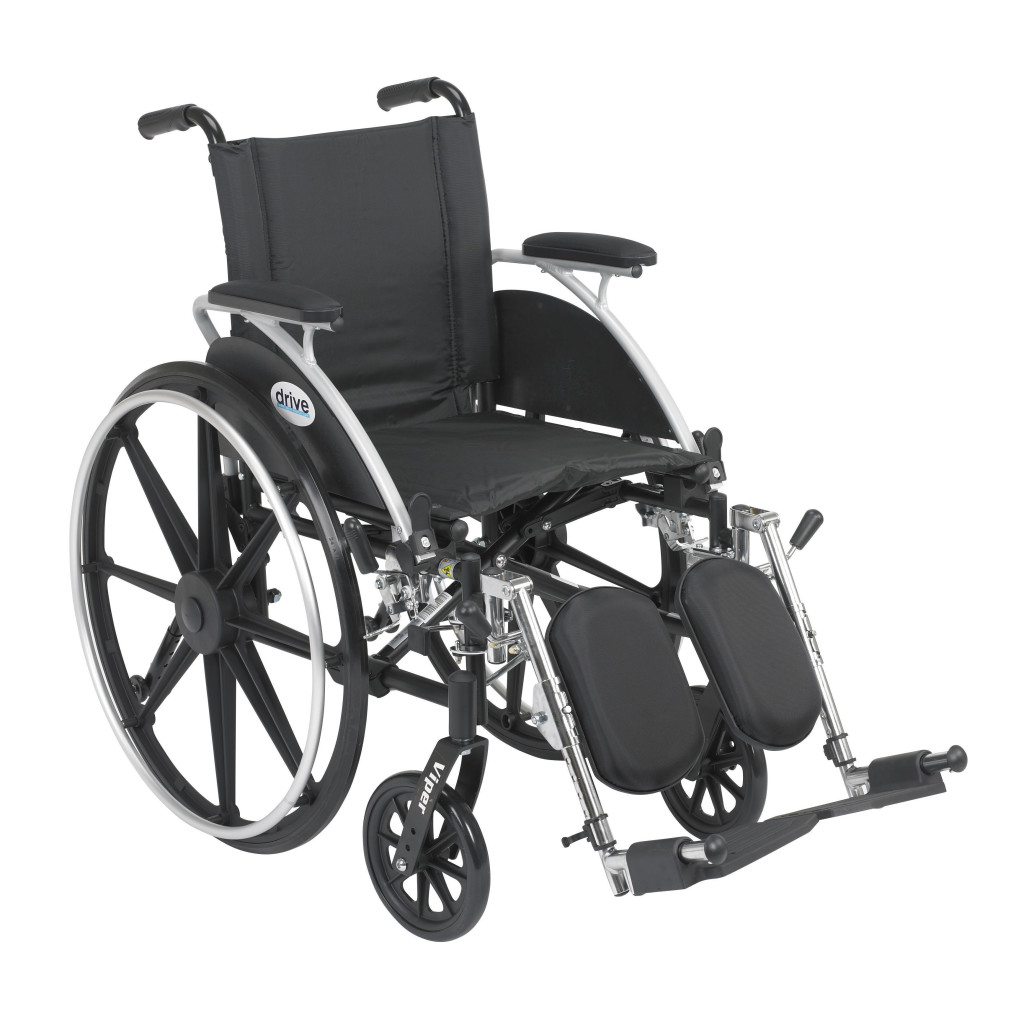
Equipment

Drive Pediatric Viper Wheelchair

Drive Pediatric Viper Wheelchair

Pediatric wheelchair with removable arms and elevating leg rests. Available in 14" and 16" seat widths — sized for children and smaller teens.

Request Quote

Lightweight

Equipment

Drive Lightweight Cruiser III Wheelchair

Drive Lightweight Cruiser III Wheelchair

#K318DFA-ELR

Lightweight folding manual wheelchair with removable footrests.

Reclining
Equipment

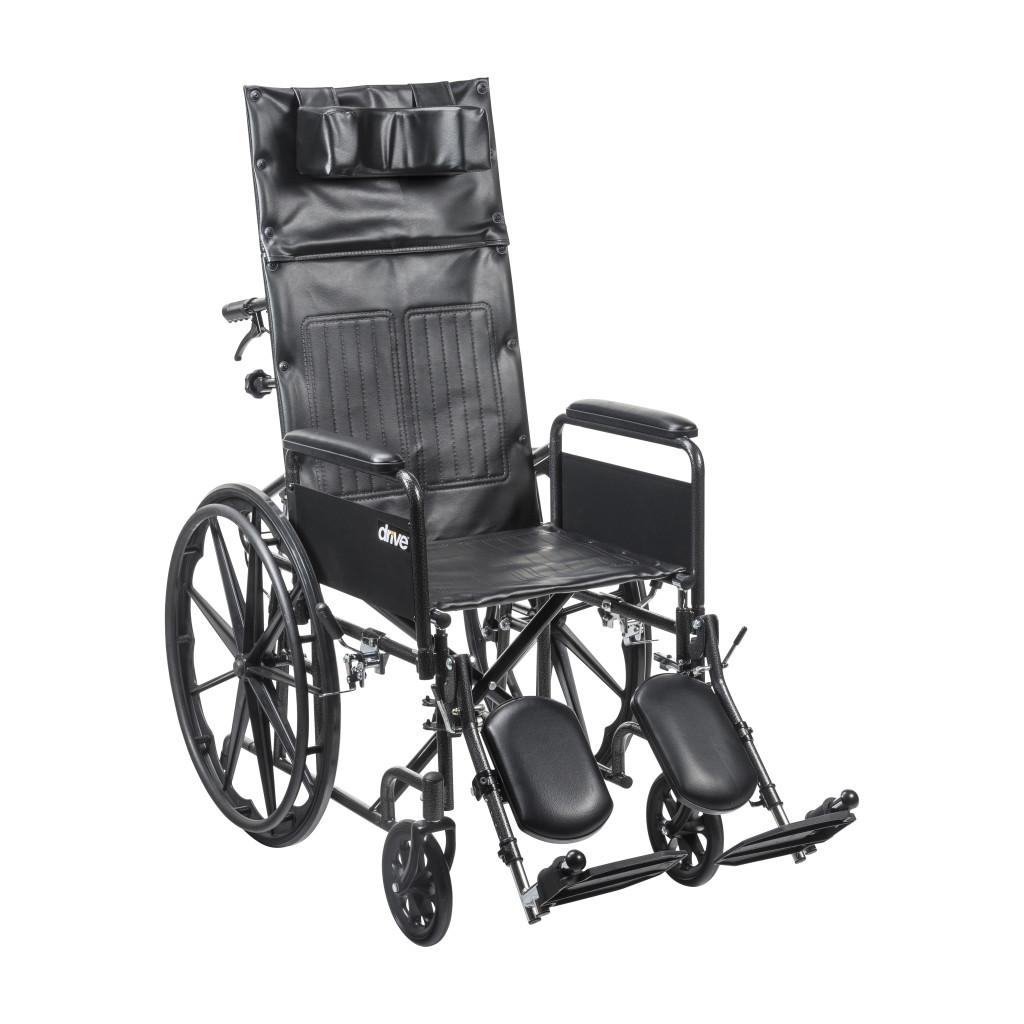
Drive Reclining Wheelchair 18"

Drive Reclining Wheelchair 18"

#SSP18RBDFAV

Reclining manual wheelchair with detachable arms — adjustable back for pressure relief and tilt.

Transport
Equipment

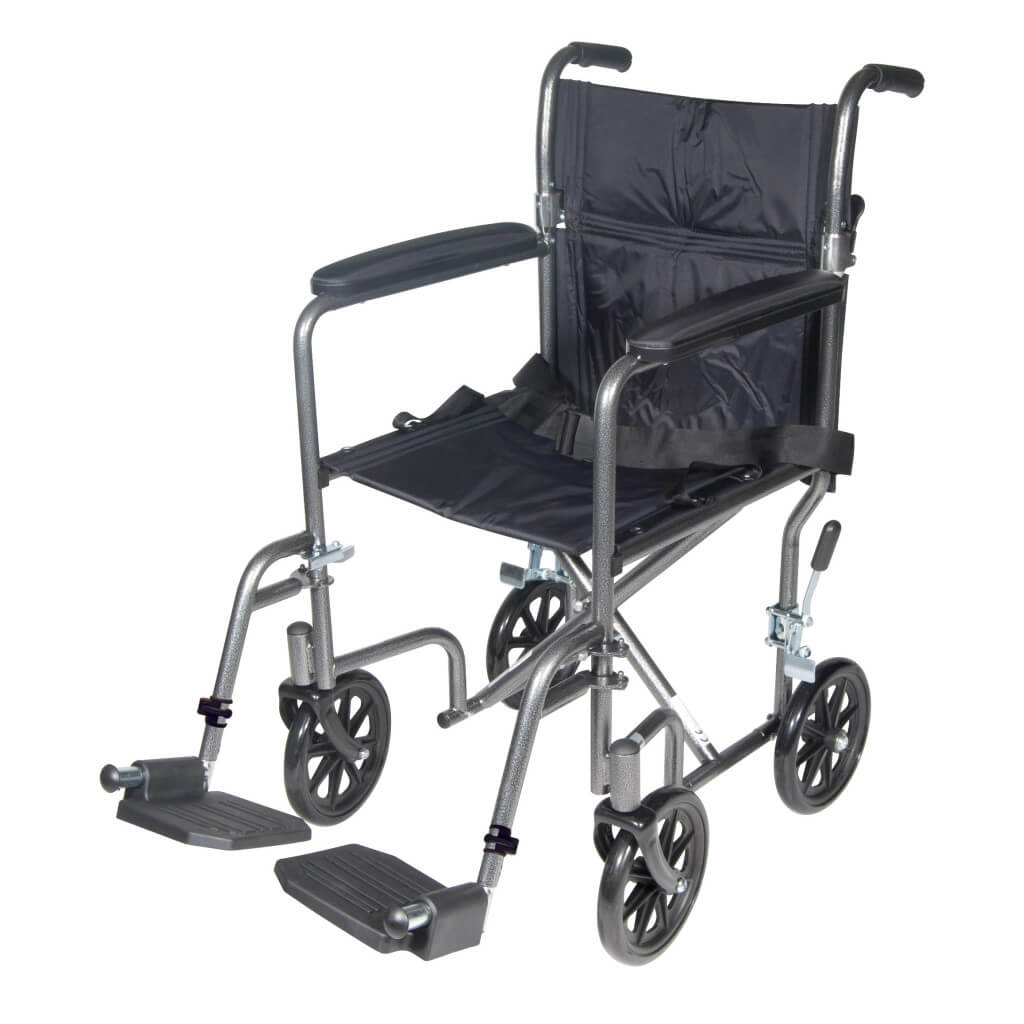
Drive Transport Chair 17"

Drive Transport Chair 17"

#TR37E-SV

Lightweight 17" transport chair with companion handles.

Bariatric
Equipment

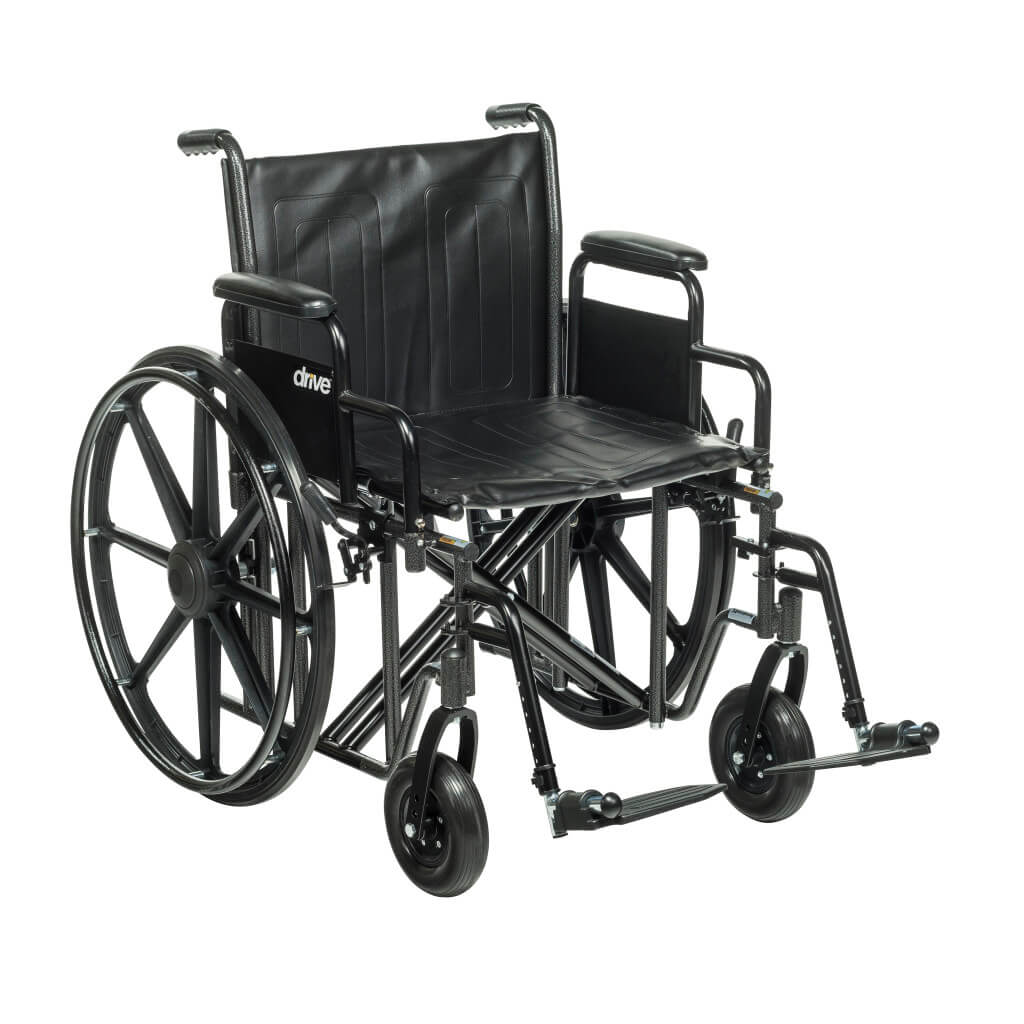
Sentra EC Bariatric Wheelchair

Sentra EC Bariatric Wheelchair

#STD30ECDDA-SF

Heavy-duty extra-wide wheelchair for bariatric patients. Available in 20", 22", and 24" seat widths.

Request Quote

Geriatric Chairs

Equipment

Geriatric Chair (3 Position)

Geriatric Chair (3 Position)

#D574-CHAR

Three-position reclining geriatric chair.

Need wheelchair cushions or accessories?

Seat cushions, back cushions, brake extensions & more — view the full list in our Supplies Catalog.

View Supplies Catalog

Drive Lightweight Cruiser III Wheelchair — Help & FAQ

How do I set up and use this wheelchair?
Open the wheelchair by pushing down on the seat from both sides until the frame locks open. Set footrests to a comfortable height — thighs should be level and feet resting flat. Engage both wheel locks (push the lever forward on each rear wheel) before the user sits or stands. To fold for transport: flip up both footrests, then pull upward on the center seat strap or the seat edges to collapse the frame. The lightweight aluminum frame makes it easy to lift into a car trunk. Seat belt use is strongly recommended.
How do I clean it?
Wipe the upholstery, armrests, and frame with a damp cloth and mild soap or disinfectant wipe. Clean wheel rims and hand rims periodically — hand rims collect oil and grime. Check and inflate tires if pneumatic (check the tire sidewall for recommended PSI). Inspect wheel locks monthly — they should engage firmly and hold the wheel stationary. Tighten any loose hardware.
What if the wheel locks won't hold or a footrest is loose?
Never attempt a transfer if wheel locks slip — the chair can roll and cause a fall. Loose footrests can also be a tripping hazard. Stop use and call our team at (718) 854-5501 for adjustment or replacement parts.

Drive Standard Wheelchair — Help & FAQ

How do I set up and use this wheelchair?
Open by pushing down on both seat rails until the frame snaps open. Set swing-away footrests to a height where thighs rest level and feet sit flat. Lock both rear wheel brakes before any transfer. Available in 14", 16", 18", and 20" seat widths — confirm the user's hips have about one inch of clearance on each side. To fold: flip up footrests, then pull up on the seat upholstery or center strap.
How do I clean it?
Wipe the upholstery and frame with a damp cloth and mild soap. Clean hand rims regularly to remove oils and grime. Check tire pressure monthly if pneumatic (see the sidewall for recommended PSI). Inspect wheel locks for wear and confirm they hold the rear wheel fully stationary. Tighten all bolts and footrest hardware periodically.
What if the wheel locks slip or the frame won't lock open?
Do not transfer a user if the wheel locks don't hold the chair stationary. A frame that won't lock open is also unsafe to sit in. Call our team at (718) 854-5501 — we can adjust or replace the brakes or the cross-brace mechanism.

Drive Reclining Wheelchair 18" — Help & FAQ

How do I use the reclining feature?
Engage both rear wheel locks before adjusting the back angle. Locate the back-angle adjustment strap or lever (usually on the rear upright tubes) and release it to allow the back to recline. Support the patient's head and torso during the transition. Raise the elevating leg rests when the back is fully reclined to keep the legs supported. Return the back to upright before any transfer — always re-lock the wheel brakes after repositioning.
How do I clean it?
Wipe all upholstery (seat, back, armrests) with a damp cloth and disinfectant. Inspect the back-angle adjustment mechanism for smooth operation monthly. Clean hand rims and check tire pressure as with any manual wheelchair. Tighten all bolts quarterly.
What if the reclining mechanism is stiff or won't lock?
A stiff back-angle mechanism may need lubrication at its pivot points. Never leave the back in a reclined position without the locking mechanism engaged. If the mechanism feels unstable or won't hold a position, stop use and call our team at (718) 854-5501.

Drive Pediatric Viper Wheelchair — Help & FAQ

How do I fit and use this pediatric wheelchair?
Available in 14" and 16" seat widths for children and smaller teens. Confirm the child's hips have approximately 1 inch of clearance on each side. Set footrests so the thighs are supported and feet rest flat — dangling feet cause circulation problems. Engage both rear wheel locks before assisting the child in or out. The removable arms allow side transfers. To fold: flip up footrests and pull up on the center seat strap.
How do I clean it?
Wipe the upholstery and frame with a mild disinfectant or damp cloth. Check tire pressure monthly. Inspect wheel locks and tighten all hardware regularly — children's equipment experiences more dynamic loading than adult chairs. Replace any worn grips or footrest pads promptly.
What if the wheel locks won't hold?
Never allow unsupervised transfers if the wheel locks slip. Call our team at (718) 854-5501 for brake adjustment — pediatric patients are at higher fall risk if the chair moves during a transfer.

Drive Viper+GT 18" Wheelchair — Help & FAQ

How do I set up and use this wheelchair?
Open the Viper+GT by pressing down on both seat rails until the frame snaps open. Adjust swing-away footrests to a height where the thighs rest level and feet sit flat on the footpads. Lock both rear wheel brakes before any transfer. The 18" seat width suits a range of adult users; confirm the user's hips have about one inch of clearance on each side for proper fit. To fold: flip up footrests, then pull up on the seat upholstery or center strap.
How do I clean it?
Wipe the nylon upholstery and frame with a damp cloth and mild soap. Clean hand rims regularly to remove oils and grime. If the tires are pneumatic, check pressure monthly (see the sidewall for recommended PSI). Inspect wheel locks for wear and test that they hold the rear wheel fully stationary. Tighten all bolts and footrest hardware periodically.
What if the wheel locks slip or the frame won't lock open?
Do not transfer a user if the wheel locks don't hold the chair stationary. A frame that won't lock open is also unsafe to sit in. Call our team at (718) 854-5501 — we can adjust or replace the brakes or the cross-brace mechanism.

Sentra EC Bariatric Wheelchair — Help & FAQ

How do I set up and use this wheelchair?
The Sentra EC has a reinforced heavy-duty frame and wider seat designed for higher weight capacities — check the frame label for the rated limit and never exceed it. Open the chair by pressing down on both seat rails until the frame locks fully open. Set the extra-wide footrests so the user's thighs are level and feet rest flat. Engage both rear wheel locks firmly before any transfer. The dual cross-brace construction adds rigidity — confirm the frame is fully open and locked before use. To fold: flip up both footrests, then pull up on the seat.
How do I clean it?
Wipe the heavy-duty upholstery and reinforced frame with a damp cloth and disinfectant. Clean the wider hand rims and check them for bends or cracks. Inspect wheel locks — the larger rear wheels require brakes that engage firmly. Check tire pressure monthly if pneumatic. Tighten all hardware and inspect the dual cross-brace bolts regularly under heavier loads.
What if wheel locks won't hold or the frame feels unstable?
Never use this chair for transfers if the wheel locks slip — the consequences of a fall at bariatric weight are severe. If the frame feels loose or the cross-brace creaks, stop use immediately. Call our team at (718) 854-5501 for inspection and service.

Drive Transport Chair 17" — Help & FAQ

How do I set up and use this transport chair?
A transport chair has small rear wheels and is designed to be pushed by a caregiver — the passenger cannot self-propel. Open the chair by pressing down on both seat rails until the frame locks open. Adjust footrests so the passenger's feet rest flat and thighs are supported. The caregiver handles are at the rear; engage both rear wheel locks before helping the passenger sit or stand. To fold: flip up both footrests, then lift the center seat strap to collapse the frame. The lightweight aluminum frame is easy to load into a vehicle.
How do I clean it?
Wipe the seat, back, and armrests with a damp cloth and mild disinfectant. Clean the small rear wheels and check the rear brakes — they must hold the chair stationary during transfers. Inspect footrest hardware and tighten as needed. Check rear tire pressure if pneumatic.
What if the rear brakes won't hold?
Do not use the chair for transfers if the wheel locks slip — the chair can roll out from under the passenger. Call our team at (718) 854-5501 for brake adjustment or replacement. Also remind caregivers to always engage both locks before any standing transfer.

Geriatric Chair (3 Position) — Help & FAQ

How do I set up and use this chair?
The geriatric chair reclines to three positions — upright for meals or activities, mid-recline for resting, and near-flat for repositioning. Always lock the caster wheels before helping a resident transfer in or out. Adjust the footrests so the thighs are supported and feet rest flat on the footrests without dangling. Use the chair-back release lever (usually located on the side) to change positions; always support the occupant's head and back during recline transitions. Never tilt the chair while the occupant is unsupported.
How do I clean it?
Wipe the vinyl seat, back, and armrests with a hospital-grade disinfectant wipe or damp cloth with mild soap after each use. Clean underneath the footrests and the seat edge where debris collects. Lock the casters and inspect them monthly for debris lodged in the wheel; remove with a pick. Tighten any loose bolts or armrest hardware. Check the locking lever for smooth operation.
What if the reclining mechanism is stiff or the casters won't lock?
A stiff recline lever may need lubrication — apply a small amount of silicone spray to the pivot joint. If casters don't lock fully, do not use the chair for transfers — an unlocked chair can slide and cause a fall. Call our team at (718) 854-5501 for service or a repair.