Oxygen Therapy

Stationary and portable concentrators (POC), tanks, regulators, conserving devices, and O₂ accessories — see the tank duration reference below.

General Help

Click a tab and open the topic you need. Always follow your physician's prescription — these are general references, not medical advice.

Concentrator use
  1. Plug the concentrator into a 120V wall outlet. Do not use extension cords or power strips.
  2. Place the nasal cannula on your face. Insert the two prongs into the nostrils — prongs must curve upward.
  3. Turn on the power switch. An alarm will sound briefly while pressure is reached.
  4. Adjust the liter flow to your prescribed setting.
Adjusting liter flow

The flow can be adjusted in two ways:

  • Rotary knob — turn to the prescribed liter flow number.
  • Flow tube — turn the knob until the ball is at the prescribed liter flow.

Always use oxygen at the prescribed liter flow. More is not better.

Using a cylinder with regulator
  1. Open the cylinder by turning the valve counterclockwise with the cylinder wrench.
  2. Adjust the liter flow on the regulator dial.
  3. Place the nasal cannula on the face.
  4. Use only at the prescribed flow rate, time, and activities.
Turning oxygen off

Turn the cylinder valve clockwise. Let the oxygen flow until the gauge reads zero. Always turn the cylinder off when not in use.

Humidifier — fill, attach, and use
  1. Fill the humidifier jar with water — distilled water is recommended.
  2. Refill as needed. Discard any remaining water before refilling.
  3. Attach the humidifier jar to the concentrator's oxygen outlet or tubing connector.
  4. Attach the nasal cannula to the humidifier jar.

Replace the humidifier jar monthly.

Traveling with oxygen

We can help you arrange oxygen at your destination — but we need at least 4 weeks advance notice. Call us at (718) 854-5501 before you book travel.

  • You will receive a copy of your prescription to take with you. Without a prescription, no oxygen supplier can serve you.
  • Depending on your insurance plan, you may be responsible for full or partial payment of travel oxygen services.
  • Equipment and cylinders provided by Dome cannot be exchanged with another company's equipment.
  • If you don't make arrangements in advance, you may have trouble getting oxygen at your destination.
Replacement schedule
  • Nasal cannula / mask — replace weekly.
  • Oxygen tubing — replace every 3 months.
  • Humidifier jar — replace monthly.
Cleaning the equipment

Wipe equipment with a clean damp cloth — water only. Never spray cleaners (409, Fantastik, Pine-Sol, etc.) onto or into any oxygen equipment.

Cleaning the air inlet filter (weekly)
  1. Remove the inlet filter from the concentrator.
  2. Vacuum both sides.
  3. Replace the inlet filter.
Cleaning the humidifier jar (weekly)
  1. Wash in warm soapy water and rinse.
  2. Soak in a 1 to 3 mixture of white vinegar and water for 30 minutes, then rinse.
  3. Discard the vinegar/water mixture after each use.
  4. Replace the humidifier jar monthly.
Alarm sounds on the concentrator
  1. Switch to your back-up oxygen supply.
  2. Check the power cord is plugged in.
  3. Check household breakers/fuses.
  4. If the alarm continues, call Dome at (718) 854-5501.
No oxygen flowing from nasal cannula
  1. Switch to your back-up oxygen supply.
  2. Check for loose tubing connections.
  3. Check for a loose humidifier jar.
  4. Check tubing for water or crimps.
  5. Verify liter flow is not at "0".
Fire safety
  1. Oxygen is not flammable but supports combustion.
  2. Keep oxygen equipment at least 15 feet from any open flame.
  3. Do not smoke within 15 feet of the oxygen patient or setup.
  4. Do not use petroleum-based ointments near the nose.
Oxygen storage and handling
  • Store tanks in a stand or cart to prevent tipping. Store extra tanks flat on the floor.
  • Never store oxygen in unventilated areas or closets.
  • Place the concentrator in a well-ventilated area.
  • Do not cover or drape anything over cylinders.
  • Do not transport oxygen in the trunk of your car.
Detailed fire and combustion safety
  • Post "No Smoking" signs in your home.
  • Turn all oxygen equipment "off" when not in use.
  • Keep equipment at least 15 feet away from heat sources and open flames (cigarettes, matches, lighters, stoves, heaters, toasters, hair dryers, fireplaces, etc.).
  • Keep electrical appliances at least 6 feet away from the oxygen source — radios, TVs, window AC units, fans, electric razors, etc. — to avoid creating a spark.
  • Keep oxygen away from combustible materials: Vaseline, Chapstick, oil-based lotions / creams, aerosols, and oils.
  • All electrical equipment should be properly grounded.
  • Your home should have working smoke detectors and a fire extinguisher. Test detectors regularly and replace batteries each year.
Smoking, e-cigarettes, and vaping

If you choose to smoke while oxygen is in use, Dome has the right to discharge you from service for safety and non-compliance.

  • Do not smoke in the room where oxygen is stored or has been used in the past 30 minutes — this includes cigarettes, cigars, pipes, e-cigarettes, vapes, or any device that ignites or creates a spark.
  • E-cigarettes can ignite when saturated with oxygen. There are documented reports of e-cigarette ignition during oxygen therapy. E-cigarettes should not be used while on oxygen therapy.

Oxygen Tank Duration

D tanks are smaller and portable. E tanks are larger, often used at home. Times below are based on an adult continuous-flow regulator.

Estimated E-Tank Duration

Pressure1 LPM2 LPM3 LPM4 LPM5 LPM
2000 psi11h 22m5h 41m3h 47m2h 51m2h 16m
1500 psi8h 32m4h 16m2h 51m2h 8m1h 41m
1000 psi5h 41m2h 51m1h 54m1h 25m1h 8m
500 psi2h 51m1h 25m57m43m34m

Estimated D-Tank Duration

Pressure1 LPM2 LPM3 LPM4 LPM5 LPM
2000 psi6h 55m3h 28m2h 18m1h 44m1h 23m
1500 psi5h 11m2h 36m1h 44m1h 18m1h 2m
1000 psi3h 28m1h 44m1h 9m52m42m
500 psi1h 44m52m35m26m21m

Estimates only. Actual duration may vary by device, regulator type, and patient breathing pattern.

Our Equipment

The oxygen products we deliver, set up, and support in your home.

Stationary Oxygen Concentrators
Equipment

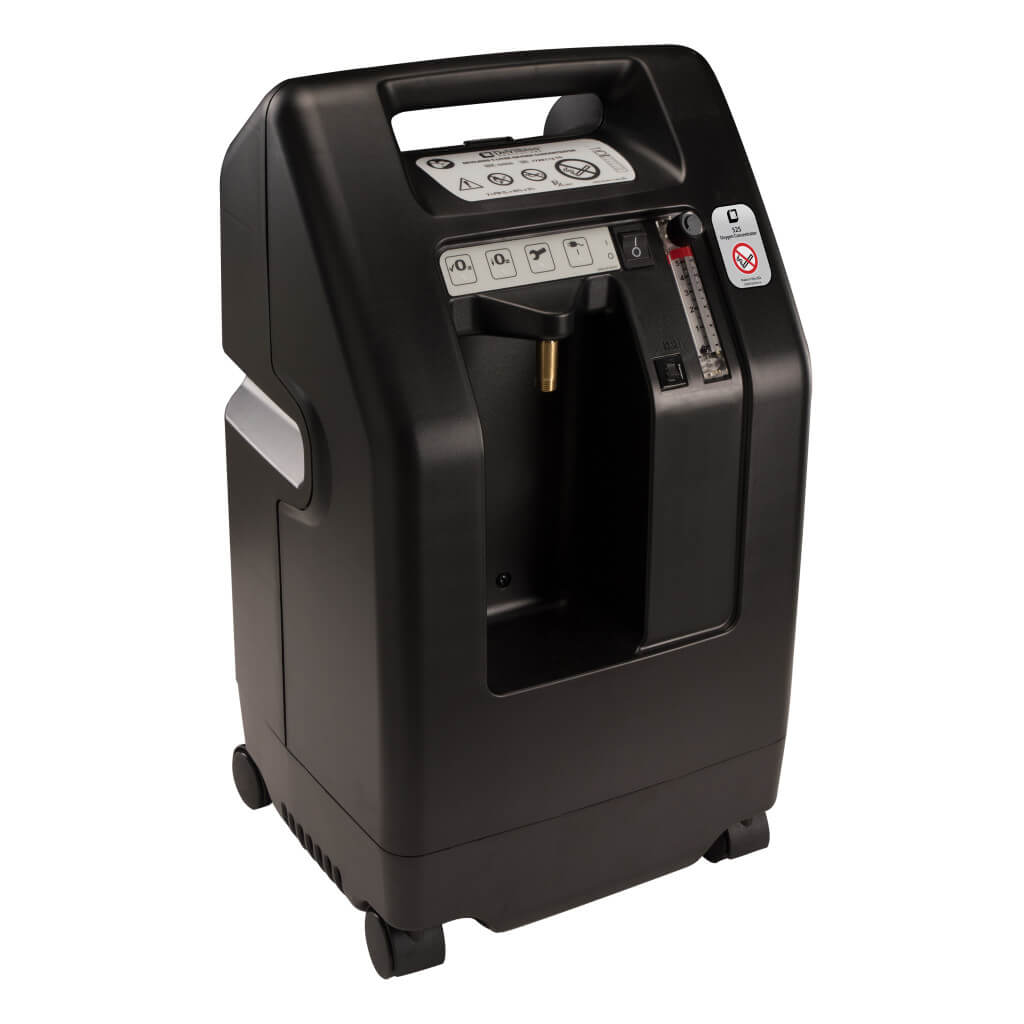
DeVilbiss 5L Oxygen Concentrator

DeVilbiss 5L Oxygen Concentrator

#525DS

Reliable 5 LPM stationary concentrator with OCI.
Equipment

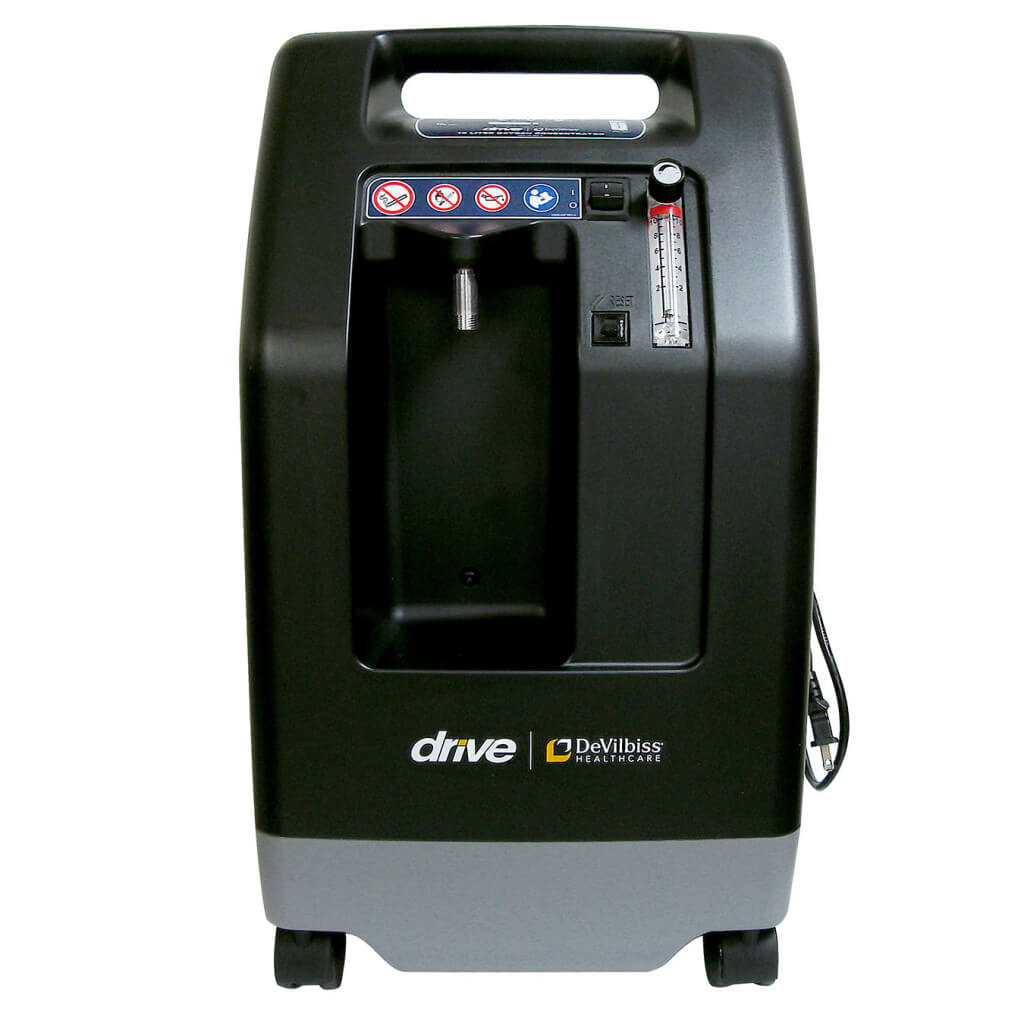
DeVilbiss 10L Oxygen Concentrator

DeVilbiss 10L Oxygen Concentrator

#1025DS

High-output 10 LPM stationary concentrator for high-flow patients.
Equipment

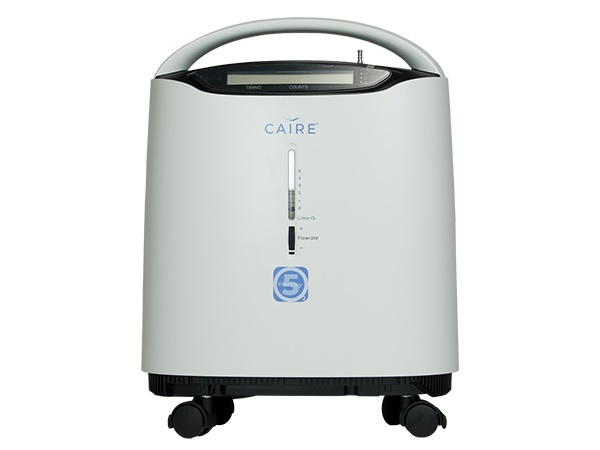
Caire IntenOx 5 Oxygen Concentrator

Caire IntenOx 5 Oxygen Concentrator

#ML-CONC0280

Reliable 5 LPM stationary concentrator from Caire.

Portable Oxygen Concentrators (POC) & Accessories
Equipment

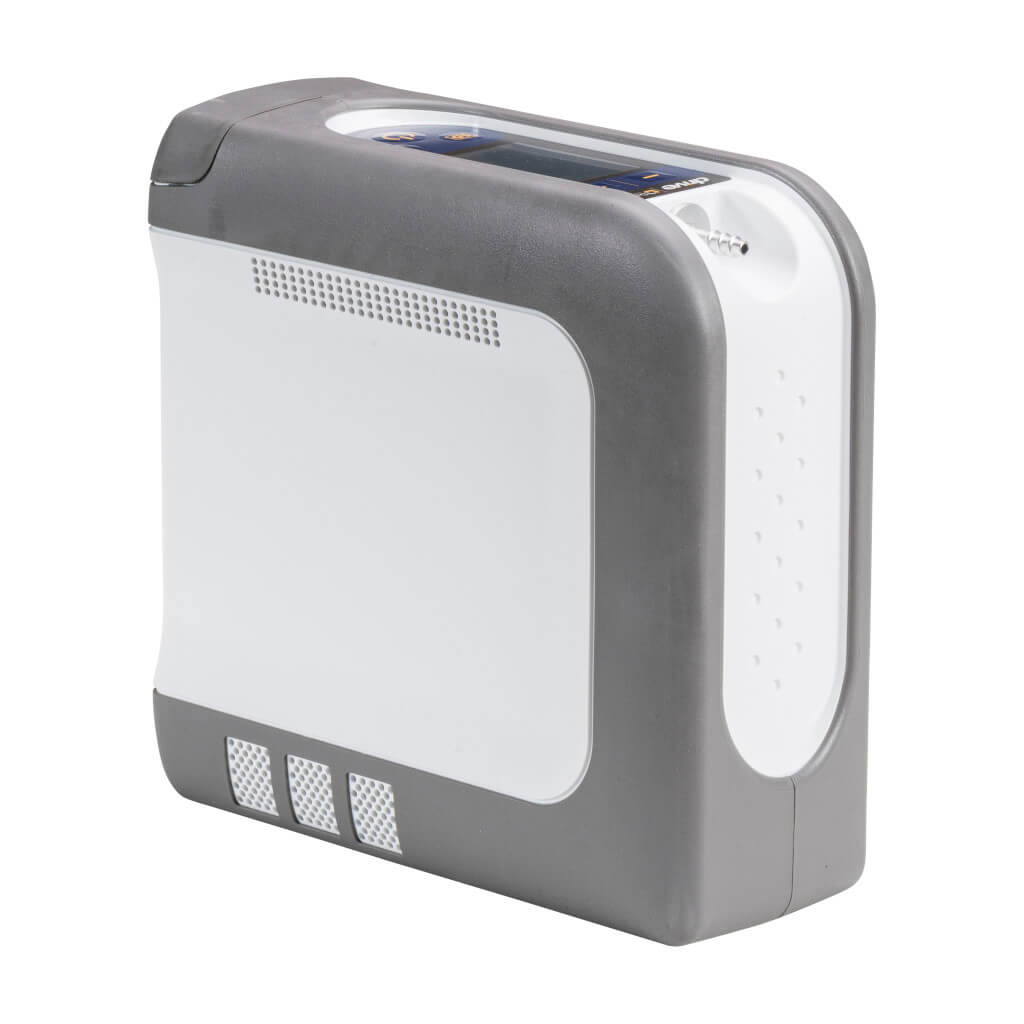
Drive iGO2 Portable Oxygen Concentrator

Drive iGO2 Portable Oxygen Concentrator

#125D

FAA-approved pulse-dose portable concentrator for active patients.
Equipment

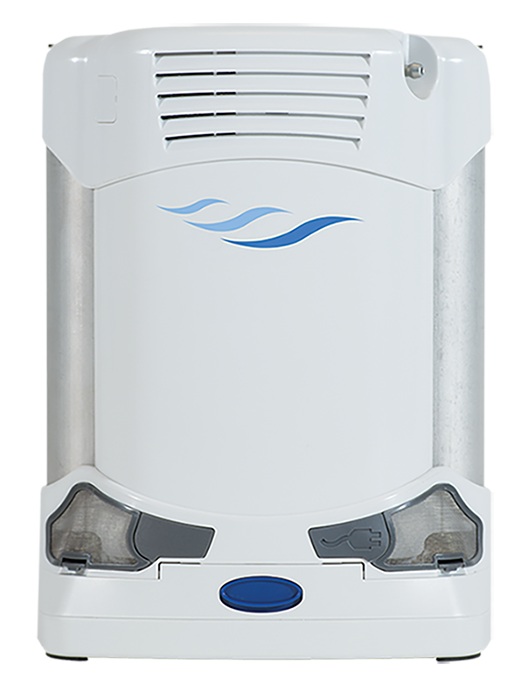
Caire Freestyle Comfort Portable Oxygen Concentrator

Caire Freestyle Comfort Portable Oxygen Concentrator

#ML-CONC0159

Lightweight pulse-dose portable concentrator for active patients.
Accessories

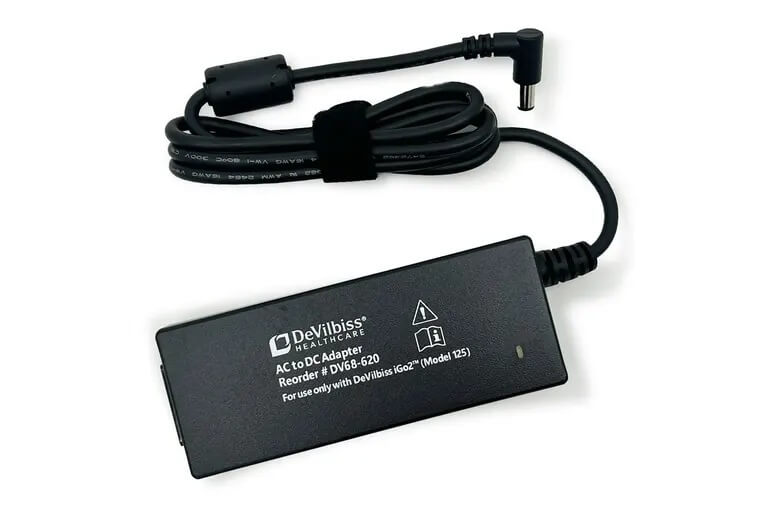
Drive iGO2 POC Power Accessories

Drive iGO2 Power Accessories

#DV68-620 / DV6X-619

AC and DC power supplies for the iGO2 portable concentrator.

Request Quote

Oxygen Accessories

Accessories

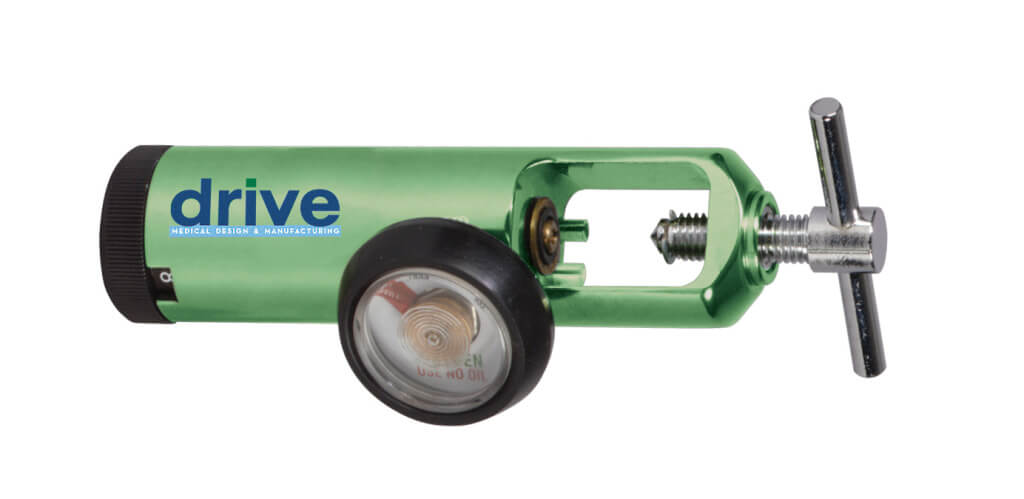
O₂ E-Cylinder Regulator (0–15 LPM)

O₂ E-Cylinder Regulator (0–15 LPM)

#18302GN

Click-style oxygen regulator for E-cylinder tanks.
Accessories

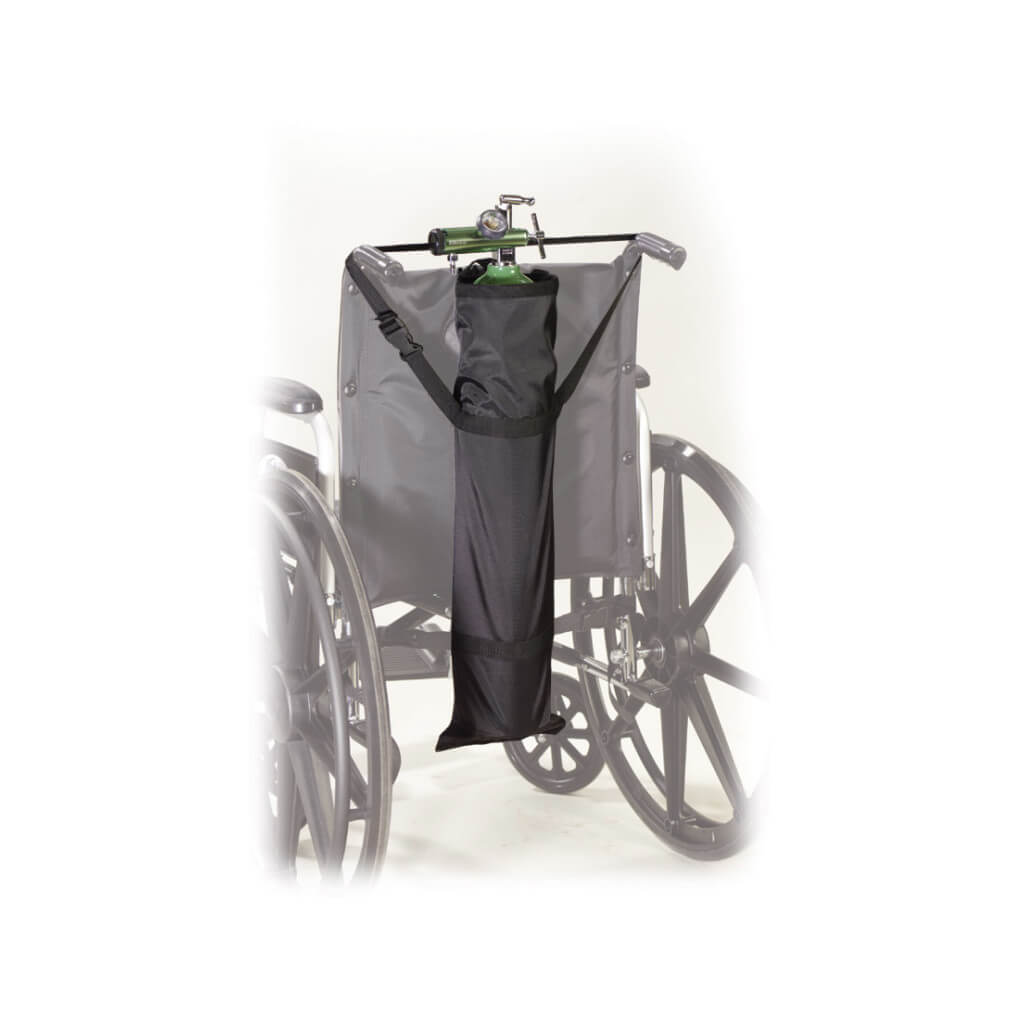
O₂ Cylinder Carry Bag

O₂ Cylinder Carry Bag

#STDS6008-1

Carry bag for tank cylinders.

Caire IntenOx 5 Oxygen Concentrator — Help & FAQ

How do I use this device?
Plug the IntenOx 5 into a standard 120V grounded outlet — do not use extension cords or power strips. Place the unit in a well-ventilated area at least 12 inches from walls, furniture, and curtains. Connect your nasal cannula to the oxygen outlet. Turn the power switch on; the unit will alarm briefly while it builds up pressure — this is normal. Set the flow meter to your prescribed liter-per-minute (LPM) setting (1–5 LPM). The indicator light will confirm the unit is delivering oxygen at acceptable purity. Always use only your prescribed flow rate.
How do I clean it?
Weekly: remove the air inlet filter panel on the side of the unit, vacuum both sides gently, and reinstall. Wipe the exterior with a clean, lightly damp cloth — water only. Never spray cleaners, disinfectants, or aerosols directly on the unit. If using a humidifier bottle, clean it weekly in warm soapy water, soak 30 minutes in a 1-to-3 white vinegar-to-water solution, rinse thoroughly, and air dry completely before reattaching. Replace the humidifier bottle monthly and the nasal cannula weekly.
What if it's not working?
If the unit won't power on, check that the power cord is fully seated at both the unit and the wall outlet, and verify the outlet is working. If the alarm continues after startup, confirm the air inlet filter is clean and not blocked, and that the flow meter is set to your prescribed rate. If the oxygen purity indicator shows a fault or a service alarm sounds, switch to your backup oxygen supply immediately, turn the unit off, and call our team at (718) 854-5501. Do not attempt to open or repair the unit yourself.

Caire Freestyle Comfort Portable Oxygen Concentrator — Help & FAQ

How do I use this device?
The Freestyle Comfort delivers pulse-dose oxygen — it detects each breath using AutoSAT® technology and releases a bolus of oxygen at the start of every inhalation. Press the power button to turn on and use the up/down buttons to set the flow setting to your prescribed level (1–5). Connect your nasal cannula to the oxygen outlet. The device can run on the internal lithium-ion battery (up to ~8 hours at setting 2), the AC power adapter at home, or the DC car adapter during travel. The ergonomic curved design allows the unit to rest comfortably against your body when worn with the included shoulder strap or carry bag.
How do I clean it?
Wipe the exterior with a soft, slightly damp cloth — do not spray liquids directly on the unit or allow moisture to enter any port. Clean the inlet filter regularly per the user manual: remove, rinse under warm water, allow to dry completely, and reinstall only when fully dry. Replace the nasal cannula weekly. Do not submerge the device or use harsh cleaning products.
What if it's not working?
If the device is not detecting breaths, check that the nasal cannula is properly connected and that the prongs are seated correctly in the nostrils — a poor seal will prevent the breath sensor from triggering. If the battery drains faster than expected, ensure it was fully charged before use; battery capacity decreases over time and a replacement battery can be ordered through our team. If an alarm sounds, note the indicator on the display and refer to the user manual for the specific alarm code. The Freestyle Comfort is FAA-approved for in-cabin use on commercial flights — carry it on board as a carry-on (airlines do not count it against your carry-on allowance). For unresolved issues, call our team at (718) 854-5501.

Drive iGO2 Portable Oxygen Concentrator — Help & FAQ

How do I use this device?
The iGO2 delivers pulse-dose oxygen — it senses each breath and releases a full bolus of oxygen at the start of inhalation using SmartDose® Technology, which automatically adjusts the dose to changes in your breathing pattern. Power on using the button on the unit and set the pulse flow setting to your prescribed level. Connect your nasal cannula to the oxygen outlet. The device can run on the internal battery, the AC power adapter (home use), or the DC power cord (car/vehicle). Battery life is approximately 3.5 hours at a setting of 2. To swap a depleted battery: power off, pull the battery cap straight up, insert a charged battery, and press until it clicks.
How do I clean it?
Wipe the exterior with a soft, slightly damp cloth — do not use sprays or harsh cleaners on the unit. Clean or replace the inlet filter per the user manual schedule. Replace the nasal cannula weekly. Do not submerge the device or allow liquid to enter any port or opening.
What if it's not working?
If the device doesn't detect breaths, check that the nasal cannula is properly connected and seated in the nostrils. If the battery drains quickly, confirm it is fully charged before use and consider carrying a spare battery. If an alarm sounds, note the alarm code on the display and refer to the user manual. For travel: the iGO2 is FAA-approved — carry it on the plane as a carry-on (it does not count toward carry-on limits). For unresolved issues, call our team at (718) 854-5501.

DeVilbiss 5L Oxygen Concentrator — Help & FAQ

How do I use this device?
Plug the concentrator into a standard 120V grounded outlet — do not use extension cords or power strips. Place the unit in a well-ventilated area, at least 12 inches from walls and furniture. Insert the nasal cannula prongs into the nostrils with the prongs curving upward. Turn the power switch on; the device will alarm briefly while pressure builds. Set the flow meter dial to your prescribed liter-per-minute (LPM) setting. The green OCI/OSD indicator confirms acceptable oxygen purity. Always use the prescribed flow rate — more is not better.
How do I clean it?
Weekly: remove the air inlet filter, vacuum both sides, and reinstall. Wipe the exterior with a clean, damp cloth — water only. Never spray household cleaners (409, Pine-Sol, etc.) onto oxygen equipment. Clean the humidifier jar weekly in warm soapy water, soak 30 minutes in a 1-to-3 white vinegar-to-water solution, rinse thoroughly, and air dry. Replace the humidifier jar monthly and the nasal cannula weekly.
What if it's not working?
If the unit won't power on, check the power cord, wall outlet, and the reset button beneath the power switch. If the yellow Low Oxygen light illuminates, confirm the flow meter is set to the prescribed rate and that the air filter is not blocked. If the red Service Required light comes on, switch to your backup oxygen supply, turn the unit off, and call our team at (718) 854-5501. Do not attempt to open or service the concentrator yourself.

DeVilbiss 10L Oxygen Concentrator — Help & FAQ

How do I use this device?
The 10L concentrator is designed for high-flow patients requiring up to 10 LPM. Plug into a standard 120V grounded outlet — do not use extension cords or power strips. Position the unit in a well-ventilated area, at least 12 inches from walls and furniture. Connect the nasal cannula or mask per your prescription. Turn on the power switch; a brief alarm will sound while pressure builds. Set the flow meter to your prescribed LPM setting and confirm the green oxygen indicator is lit. Do not exceed the prescribed flow rate.
How do I clean it?
Weekly: remove the air inlet filter, vacuum both sides, and reinstall. Wipe the exterior with a clean, damp cloth using water only — never spray household cleaners directly on the unit. Clean the humidifier jar weekly (warm soapy water, then a 1-to-3 vinegar-to-water soak for 30 minutes, rinse, air dry) and replace it monthly. Replace the nasal cannula or mask per the standard schedule.
What if it's not working?
If the unit won't power on, check the power cord, outlet, and the circuit breaker reset button under the power switch. A yellow Low Oxygen alert usually means the flow meter isn't at the prescribed setting or the air filter is blocked — check both. A red Service Required alert means the unit needs service: switch to your backup oxygen supply immediately, turn the concentrator off, and call our team at (718) 854-5501. Never attempt to open or repair the unit yourself.

O₂ E-Cylinder Regulator (0–15 LPM) — Help & FAQ

How do I attach and use this regulator?
Before attaching, confirm the regulator has a good washer in place — without one, oxygen will escape when the valve is opened. Slide the click-style regulator over the E-cylinder valve stem, aligning the two pins with the two holes in the stem. Press firmly until seated, then hand-tighten the T-bar. Open the cylinder valve by turning it counterclockwise. The pressure gauge needle shows remaining oxygen — a full cylinder reads approximately 2000 PSI. Set the flow dial to your prescribed LPM. Attach the nasal cannula or mask. Turn the cylinder off (clockwise) whenever not in use and let the flow run until the gauge reads zero.
How do I store the cylinder safely?
Secure cylinders upright in a stand or cart to prevent tipping. Store spare cylinders lying flat on the floor away from heat sources. Never store oxygen tanks in a closet, trunk, or unventilated space. Keep cylinders at least 15 feet from any open flame, heat source, or ignition risk. Do not transport cylinders in the trunk of a vehicle.
What if something goes wrong?
If a cylinder is knocked over and hisses, close the valve immediately by turning it clockwise. If you cannot close the valve, leave the area and call 911, then call our team at (718) 854-5501. If the regulator shows erratic flow or leaks, shut off the tank valve and switch to your backup oxygen supply. Do not attempt to repair a regulator — contact our team for a replacement.

Drive iGO2 Power Accessories — Help & FAQ

What do these accessories do?
The iGO2 power accessories allow the portable concentrator to run from sources other than its internal battery. The AC power adapter (model DV68-620) plugs into a standard 120V wall outlet and powers the device at home while simultaneously charging the internal battery — this is the primary way to recharge the unit. The DC power cord (model DV6X-619) connects to a 12V vehicle outlet (cigarette lighter socket) and powers the device or charges the battery while in a car or van.
How do I use them?
Plug the appropriate adapter into the iGO2's power port, then into the AC wall outlet or DC vehicle outlet. The device will run on external power and charge the internal battery at the same time. Use the AC adapter whenever the device is home and not in use to keep the battery topped off. For vehicle use, the engine should be running to avoid draining the car battery. Do not use the DC cord while the vehicle is parked and engine off for extended periods.
What if the adapter isn't charging the device?
Check that the adapter plug is fully seated in the iGO2's power port and in the wall or vehicle outlet. Inspect the cord for damage — a frayed or bent connector will prevent charging. For the DC cord, confirm the vehicle outlet fuse is intact. Do not use third-party or non-approved power adapters with the iGO2, as they can damage the device. For a replacement adapter, call our team at (718) 854-5501.

O₂ Cylinder Carry Bag — Help & FAQ

How do I use this bag?
The carry bag is designed to hold a portable D or E oxygen cylinder securely upright while transporting. Insert the cylinder into the bag with the valve end up so the regulator remains accessible. Use the shoulder strap or handle to carry the bag — do not drag it. Confirm the cylinder valve is closed and the regulator flow is off before placing the cylinder in the bag. Always keep the cylinder upright during transport to maintain safe handling.
How do I care for it?
Wipe the exterior with a damp cloth and mild soap as needed. Allow to air dry fully before storing a cylinder inside. Inspect the seams, straps, and zipper or closure regularly for wear — a damaged bag that cannot securely hold the cylinder should be replaced. Do not store the bag with a cylinder in an enclosed, unventilated space such as a car trunk.
Need oxygen therapy supplies?

O2 tubing, humidifier bottles, pulse oximeter probes, E tank refills & more — view the full list in our Supplies Catalog.

View Supplies Catalog

Need Help?

For a medical emergency please dial 911.
For equipment questions our team is here Mon–Fri 9 AM – 5 PM.

Contact Our Team   (718) 854-5501