Hospital Beds

Hospital beds and therapeutic mattresses — full-electric, semi-electric, and bariatric — with delivery, set-up, and caregiver training.

General Help

Click a tab and open the topic you need. Always follow your physician's prescription — these are general references, not medical advice.

Hand pendant basics
  1. Use the up/down buttons on the head/foot section to position the patient for comfort, eating, or care.
  2. Adjust overall bed height for safe transfers.
  3. Always lower the bed to its lowest height when the patient is unattended.
Setting up the hospital bed in your home
  • Place the bed clear of anything that might hinder it when raising or lowering — walls, curtains, tables, chairs, trash cans, etc.
  • Keep the wheels locked at all times when not specifically moving the bed.
  • After moving the bed, confirm the power cord is still secure in the wall outlet.
  • Keep the electric control pad dry to avoid malfunction or fire.
Side rails — raising and lowering

Side rails come in two lengths (full and half rails). To raise or lower:

  1. Pull out the release pin at the bottom of the rail while holding the rail with your opposite hand.
  2. Move the rail to the desired position.
  3. Make sure the release pin is fully secured before leaving the patient unattended.

The side rails should be in the upward position if there is any danger of the patient falling from the bed.

Low-Air-Loss (LAL) Mattress — inflation & comfort
  1. Inflate the mattress to maximum pressure.
  2. Reduce pressure gradually for patient comfort, making sure the patient does not "bottom out."
  3. There should be a minimum of one (1) inch of clearance below the patient's pelvic region.
  4. Always inflate to maximum before transferring the patient.
  5. Refer to the manufacturer's instructions for rapid deflation if CPR is needed.
Lock-out feature on the control pad

Some hospital bed controls have a "lock" feature. If yours does, you can lock it so the patient cannot change bed positions themselves — or unlock it to give the patient full access. Useful if the patient is confused or at fall risk.

Daily checks
  • Check that all electrical connections are secure.
  • Inspect side rails for loose hardware.
  • Keep the bed frame and mattress dry; wipe spills immediately.
Power outage — emergency crank

In a power outage, use the emergency crank stored inside the bedsprings, under the mattress, at the foot of the bed. Place the crank into the base of the motor and manually turn to raise or lower the bed until electricity is restored.

Call us immediately if you hear or smell anything unusual from the bed motor.

Cleaning the LAL mattress
  • Wipe down the cover with a mild soap-and-water solution. Do not soak.
  • Towel-dry before re-inflating.
  • Inspect for tears or leaks weekly — report any to us at (718) 854-5501.
The bed remote (pendant) is not responding. What should I try?
  1. Check that the pendant cable is firmly plugged into the bed's control box (usually located under the bed frame, near the foot).
  2. Check that the bed is plugged in and the wall outlet has power. Test the outlet with another appliance if unsure.
  3. Look for a reset button on the motor housing or control box — pressing it for 3–5 seconds can restore function after a fault.
  4. Check that the bed is not stuck against a wall or obstruction — beds have safety sensors that stop movement when resistance is detected.
  5. If the pendant lights up but the bed does not move, the motor may have tripped its thermal protection due to overuse. Wait 10 minutes and try again.
  6. If the bed remains unresponsive, call our team at (718) 854-5501 for a service visit. Do not attempt to open the motor housing.
My pressure mattress is not inflating. What should I check?
  1. Confirm the pump is plugged in and turned on. Look for an indicator light on the pump — if it is not lit, check the outlet.
  2. Check that the air hose connections between the pump and the mattress are fully seated and not kinked.
  3. Inspect the mattress surface and cover for punctures — run your hand slowly over the surface and listen for escaping air.
  4. Make sure no heavy objects are placed on the mattress while it is inflating.
  5. If the pump runs but the mattress does not firm up within 20 minutes, or if you hear the pump running continuously without stopping, call our team at (718) 854-5501 for service.
The patient lift is beeping or not moving. What should I do?
  1. Check the battery charge indicator. Most lifts will beep and stop moving when the battery is low — plug in the charger and wait at least 30 minutes before attempting another transfer.
  2. Check that the spreader bar attachment is fully and correctly connected to the boom — a safety lock that is not fully engaged will prevent the lift from operating.
  3. Do not attempt a transfer if the lift is not functioning properly. Gently lower the patient back to the bed using the manual release valve (if the patient is already raised) and call our team at (718) 854-5501 immediately.
  4. If the lift is making grinding noises or the boom is not moving smoothly, discontinue use and call for service.
Fall and skin safety
  • Always keep side rails up when patient is in bed.
  • Reposition the patient at least every 2 hours to prevent pressure sores.
  • Inspect skin daily — especially heels, sacrum, and elbows.
LAL mattress safety
  • Always inflate to maximum before transferring the patient on or off the mattress.
  • Keep at least 1" clearance below the pelvic region — "bottoming out" defeats pressure relief.
  • Know the rapid-deflation procedure for CPR before you need it.

Our Equipment

Beds, mattresses, and accessories we deliver, set up, and support.

Hospital Beds

Equipment

Full Electric Hospital Bed Package

Full Electric Hospital Bed Package

#15033BV-PKG

Full-electric bed with electric head, foot, and height. Includes mattress and side rails.

Equipment

Semi-Electric Hospital Bed Package

Semi-Electric Hospital Bed Package

#15030BV-PKG

Electric head/foot, manual crank for height. Includes mattress and side rails.
Equipment

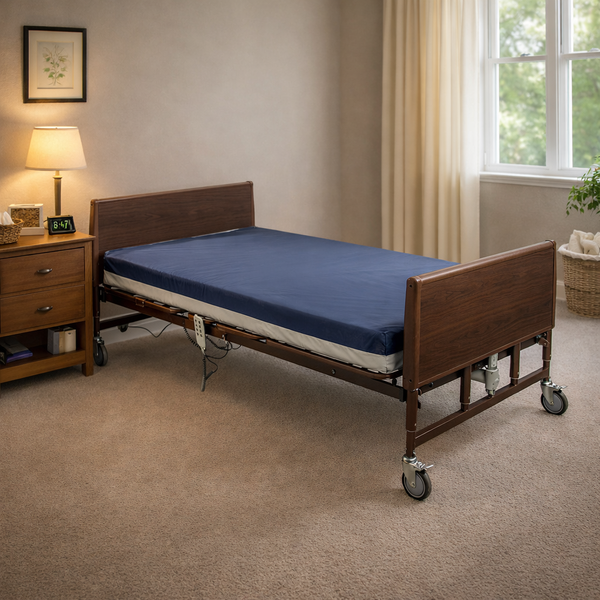
Bariatric Hospital Bed

Bariatric Hospital Bed

#15302LW

Heavy-duty wide bed for bariatric patients.

Therapeutic Mattresses
Equipment

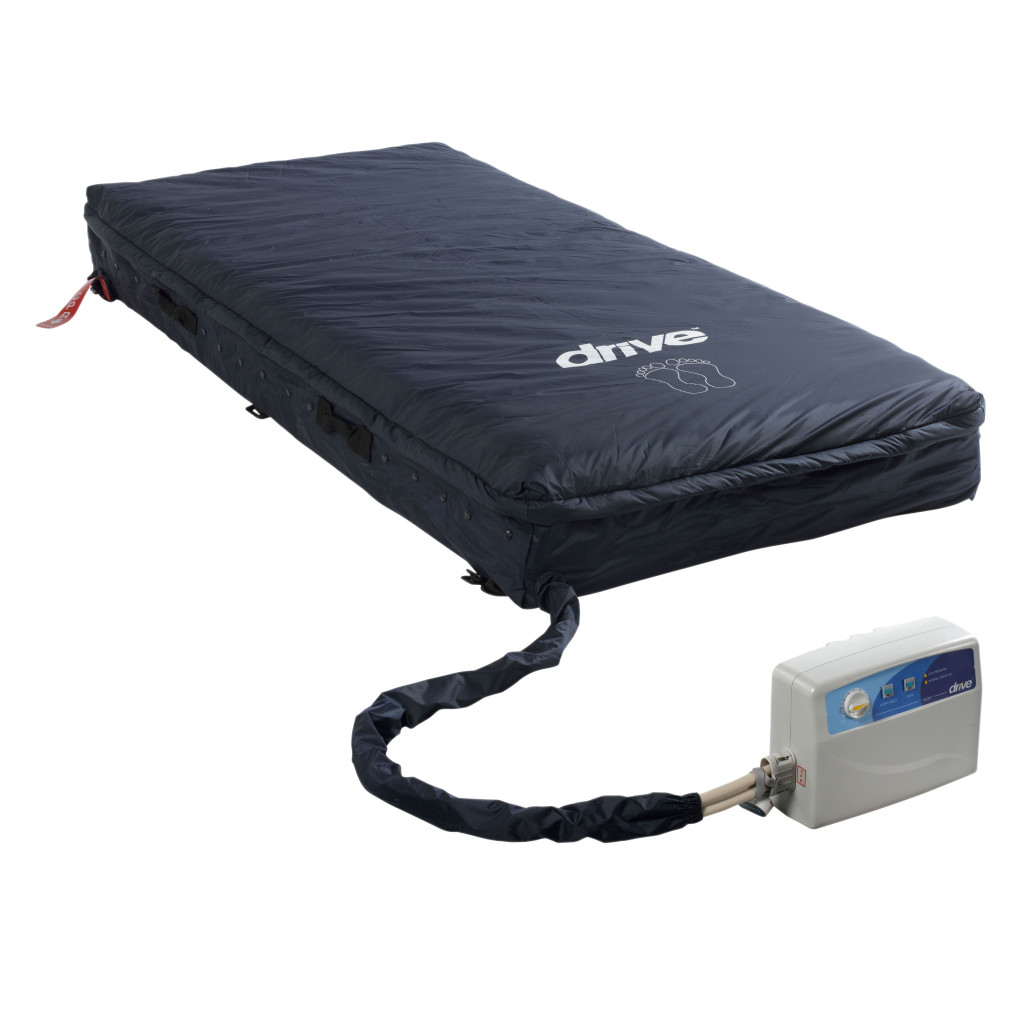
Drive Low-Air-Loss Mattress

Drive Low-Air-Loss Mattress

#14530

Therapeutic low-air-loss mattress for pressure ulcer prevention.
Equipment

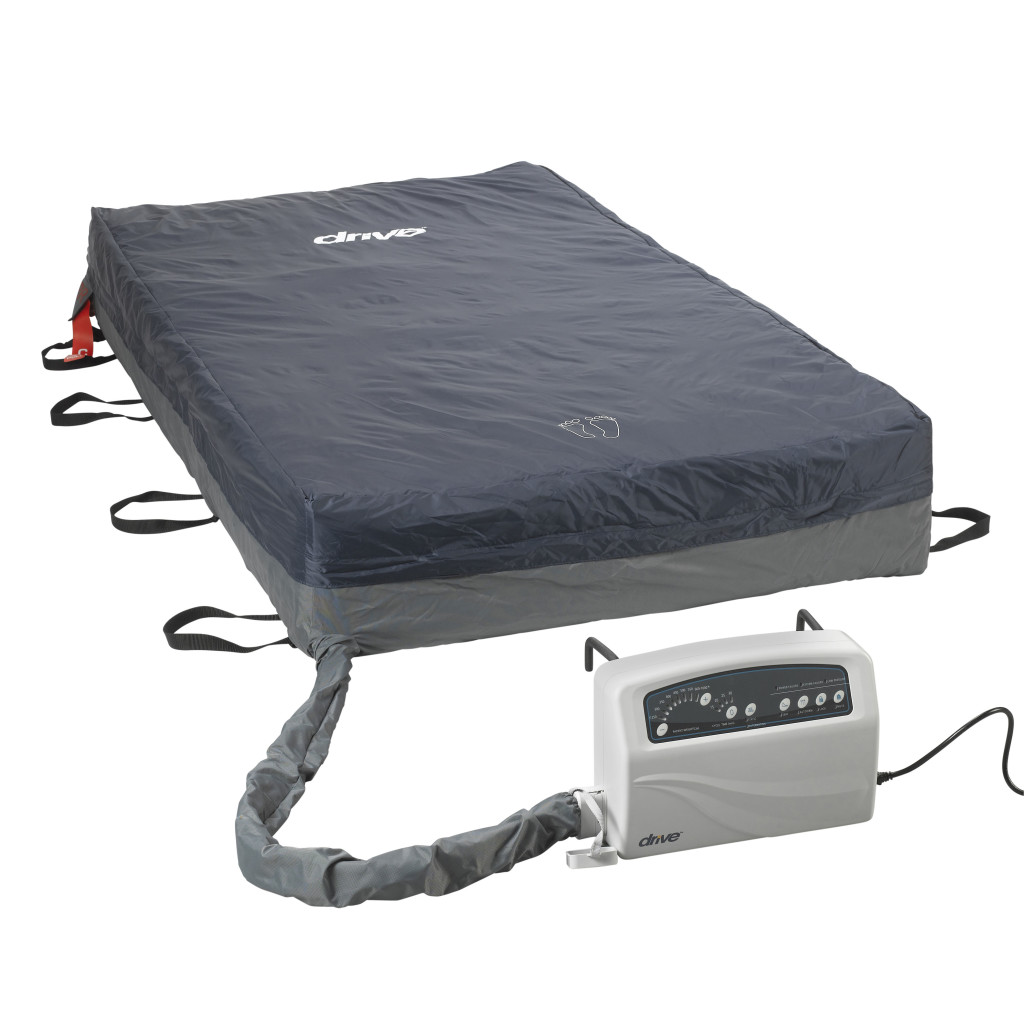
Bariatric Low-Air-Loss 48"

Bariatric Low-Air-Loss 48"

#LS9000B48

48" wide low-air-loss mattress for bariatric beds.
Equipment

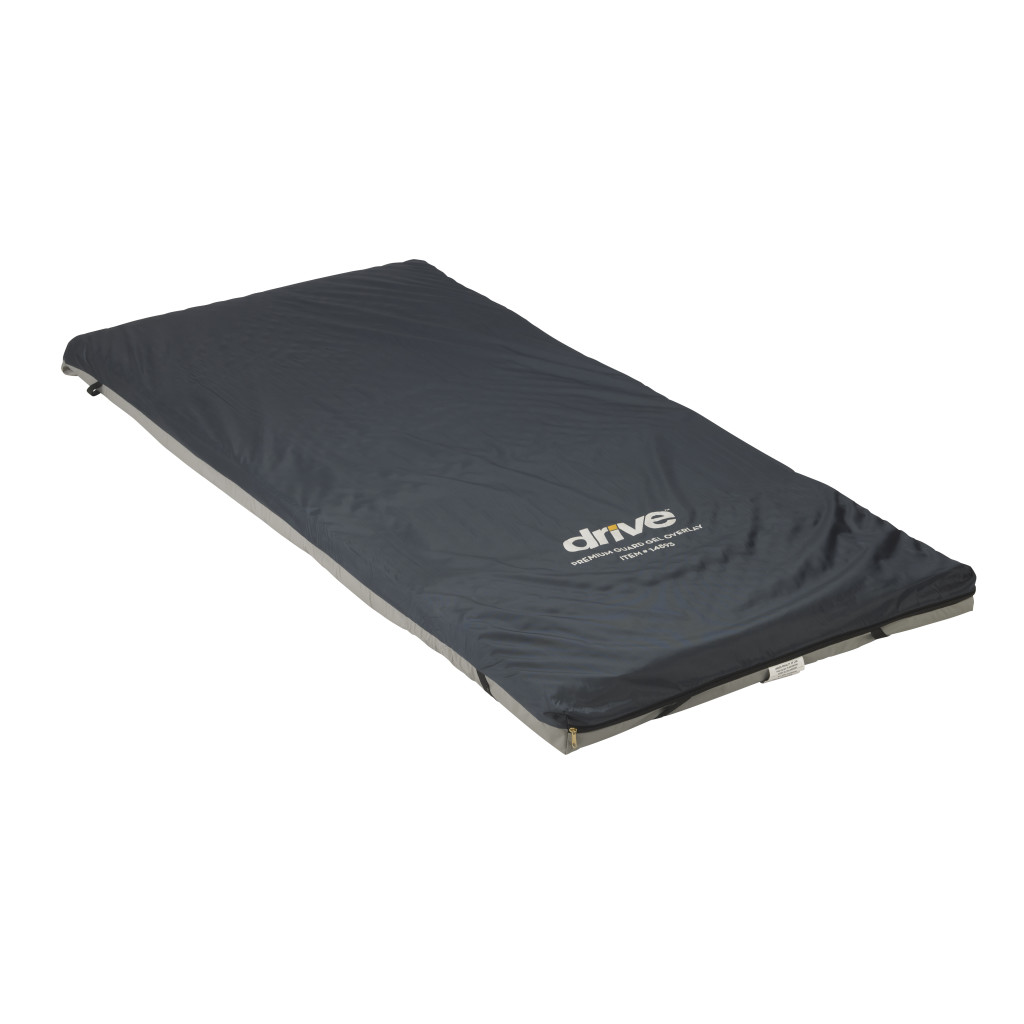
Gel Mattress Overlay

Gel Mattress Overlay

#14893

Gel overlay for pressure redistribution on existing mattresses.
Equipment

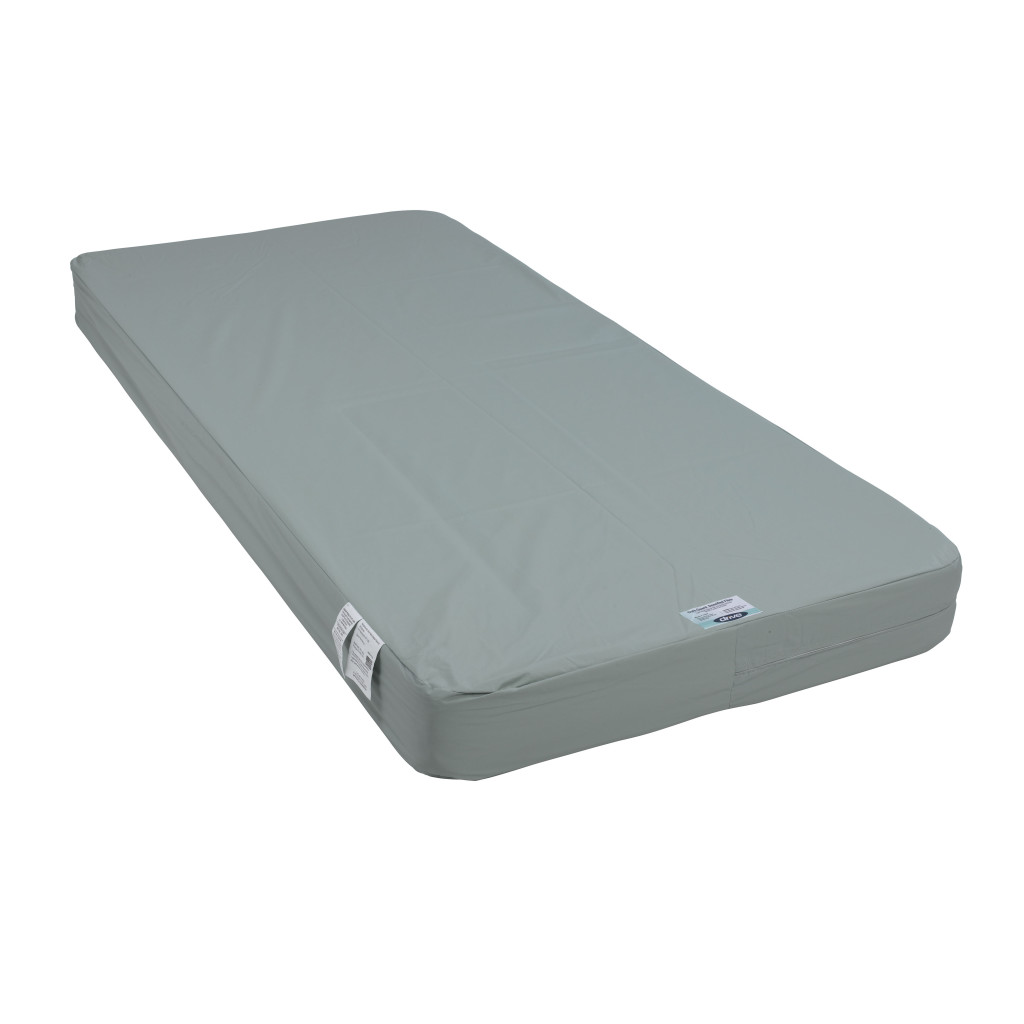
Innerspring Mattress 36"x80"

Innerspring Mattress 36"x80"

#15007

Standard innerspring mattress for hospital beds.
Equipment

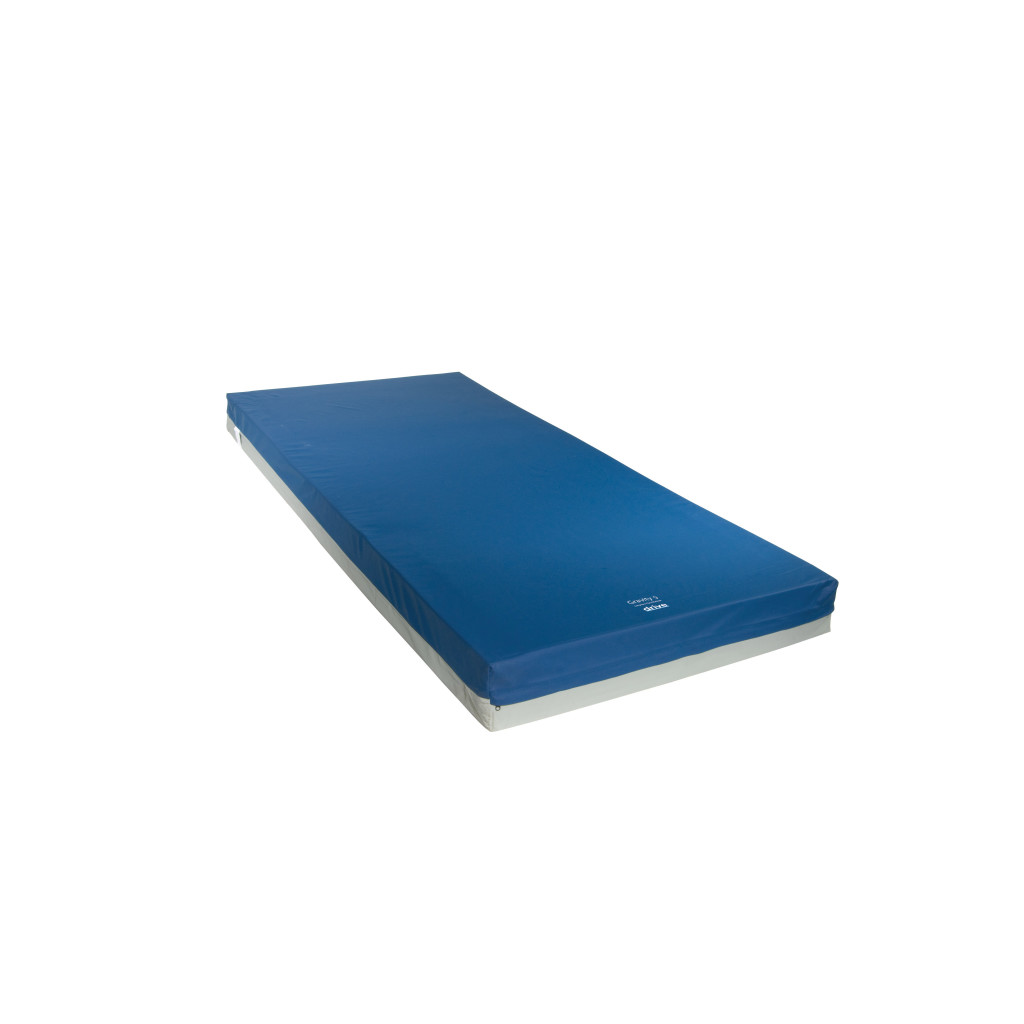
Gravity 9 Premium LTC Pressure Mattress

Gravity 9 Premium LTC Pressure Mattress

#15970

Premium long-term-care pressure mattress for higher-risk patients.

Bed Accessories
Equipment

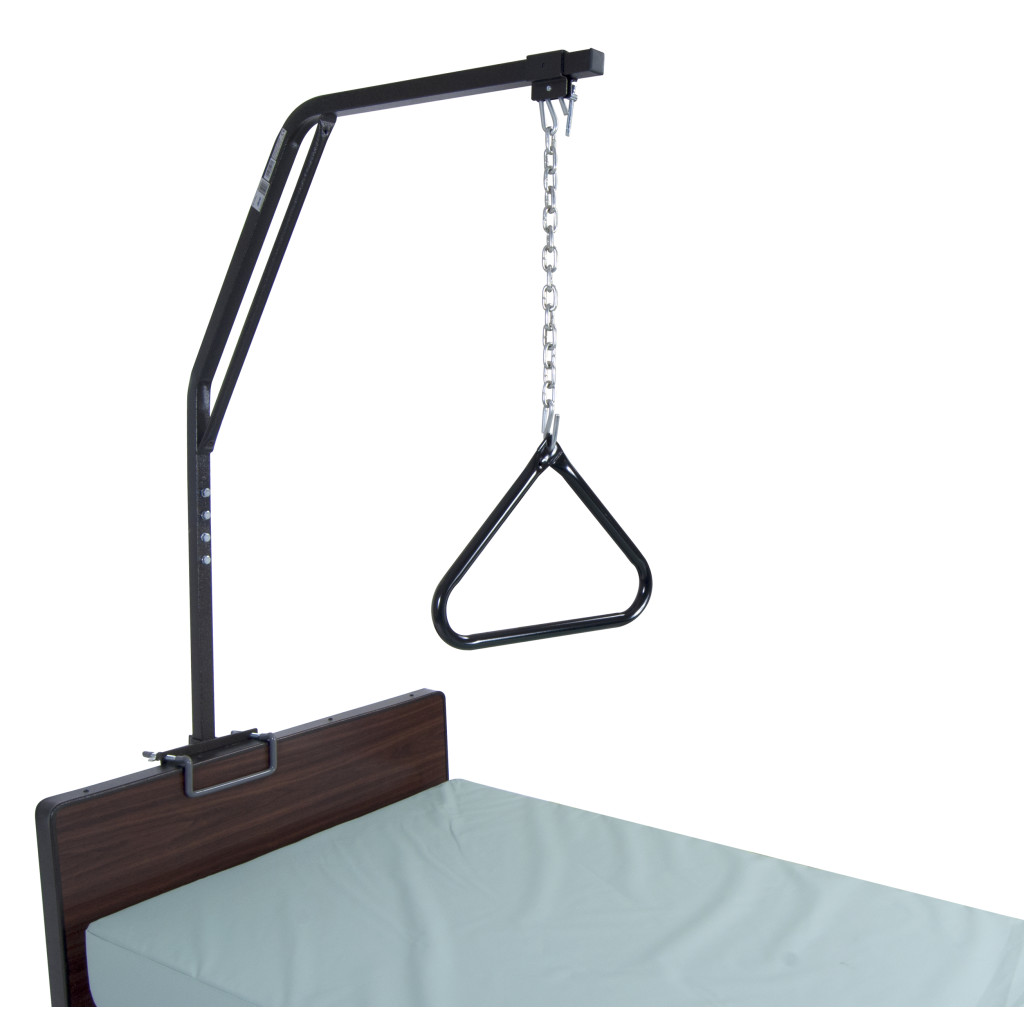
Trapeze Bar

Trapeze Bar

#13009TRAPBV

Free-standing or bed-mounted trapeze bar for repositioning.
Equipment

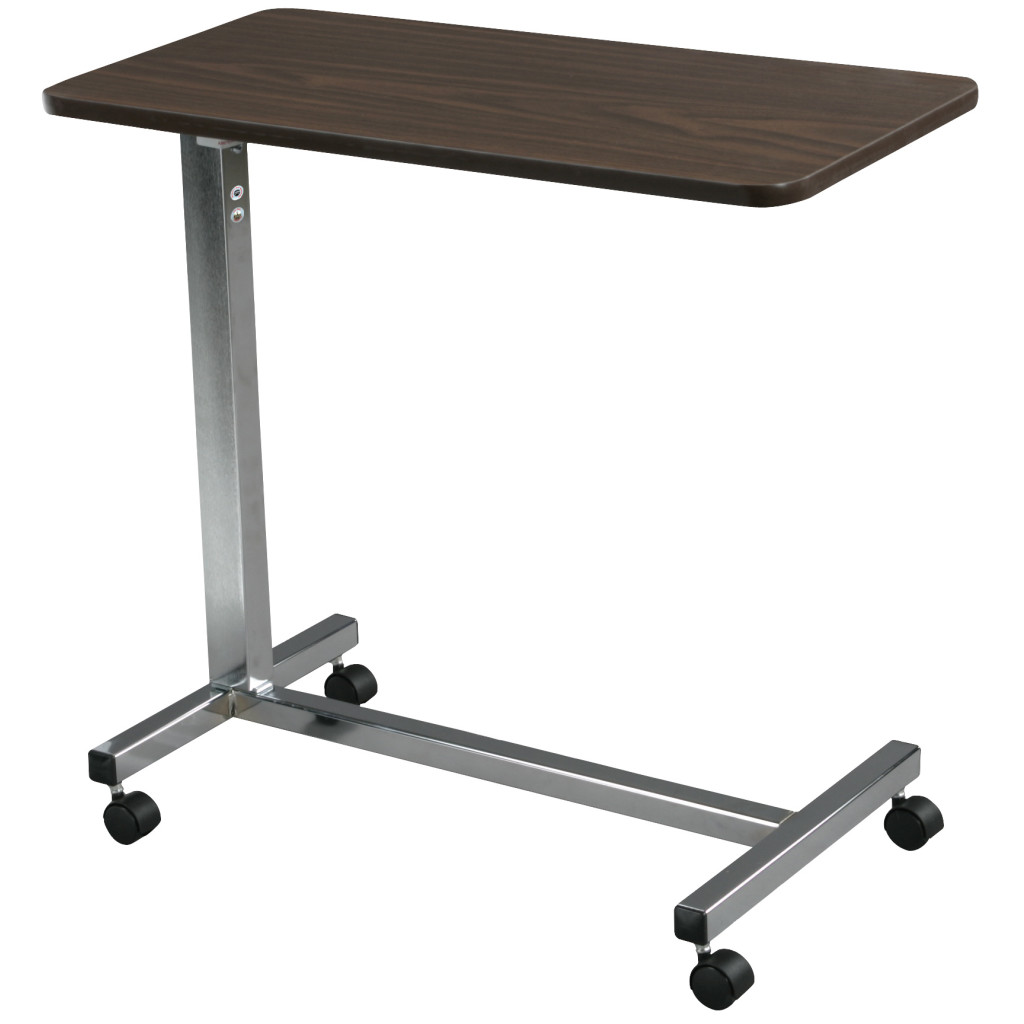
Drive Over-Bed Table

Drive Over-Bed Table

#13067

Height-adjustable over-bed table on casters.

Patient Lifts & Slings

Equipment

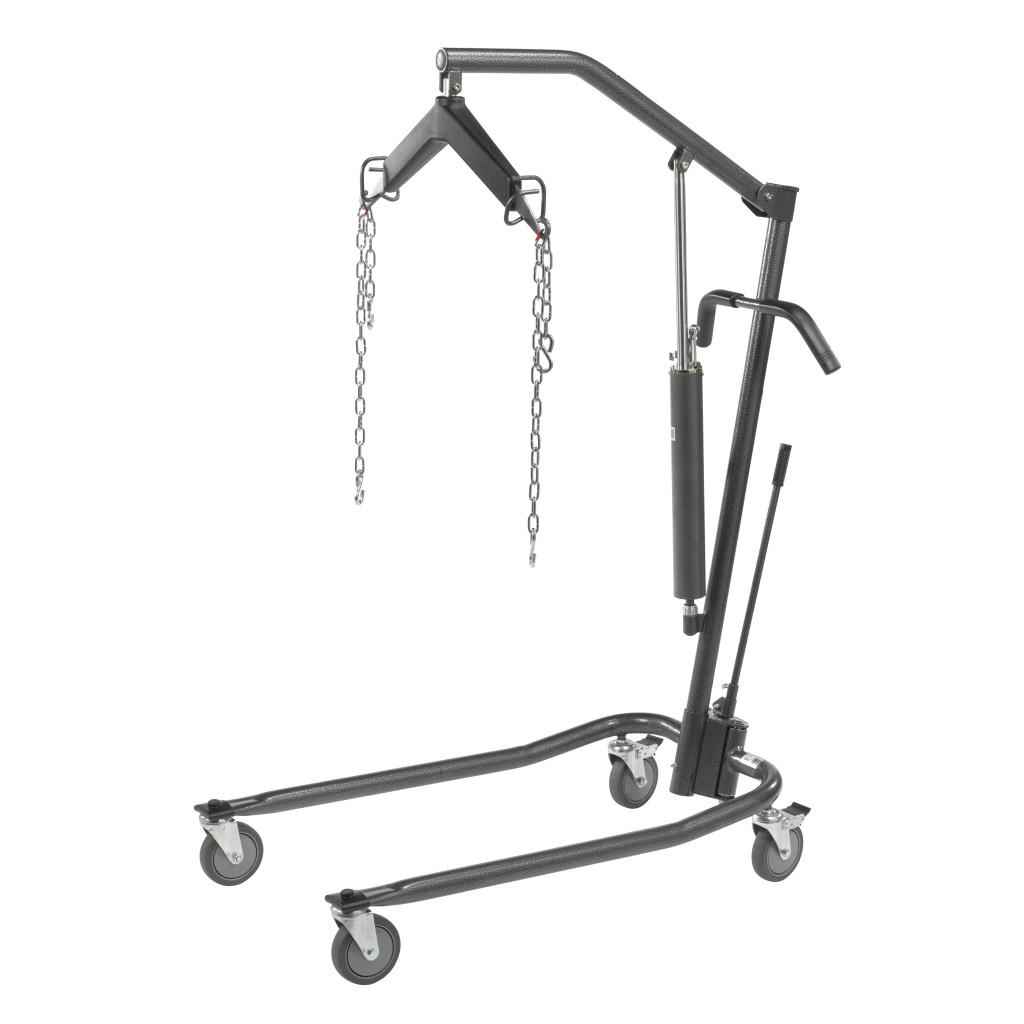
Hoyer Lift

Hoyer Lift

#13023SV

Manual hydraulic patient lift for safe transfers.

Equipment

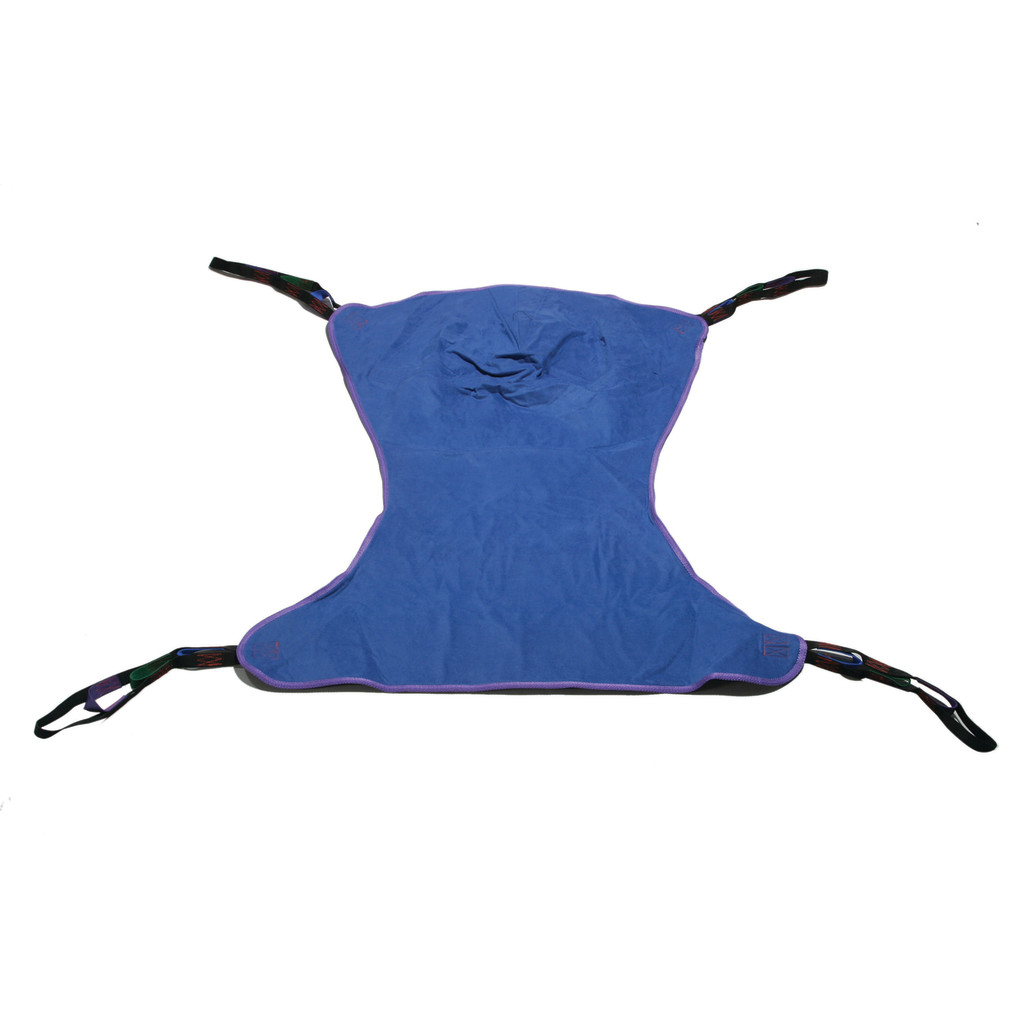
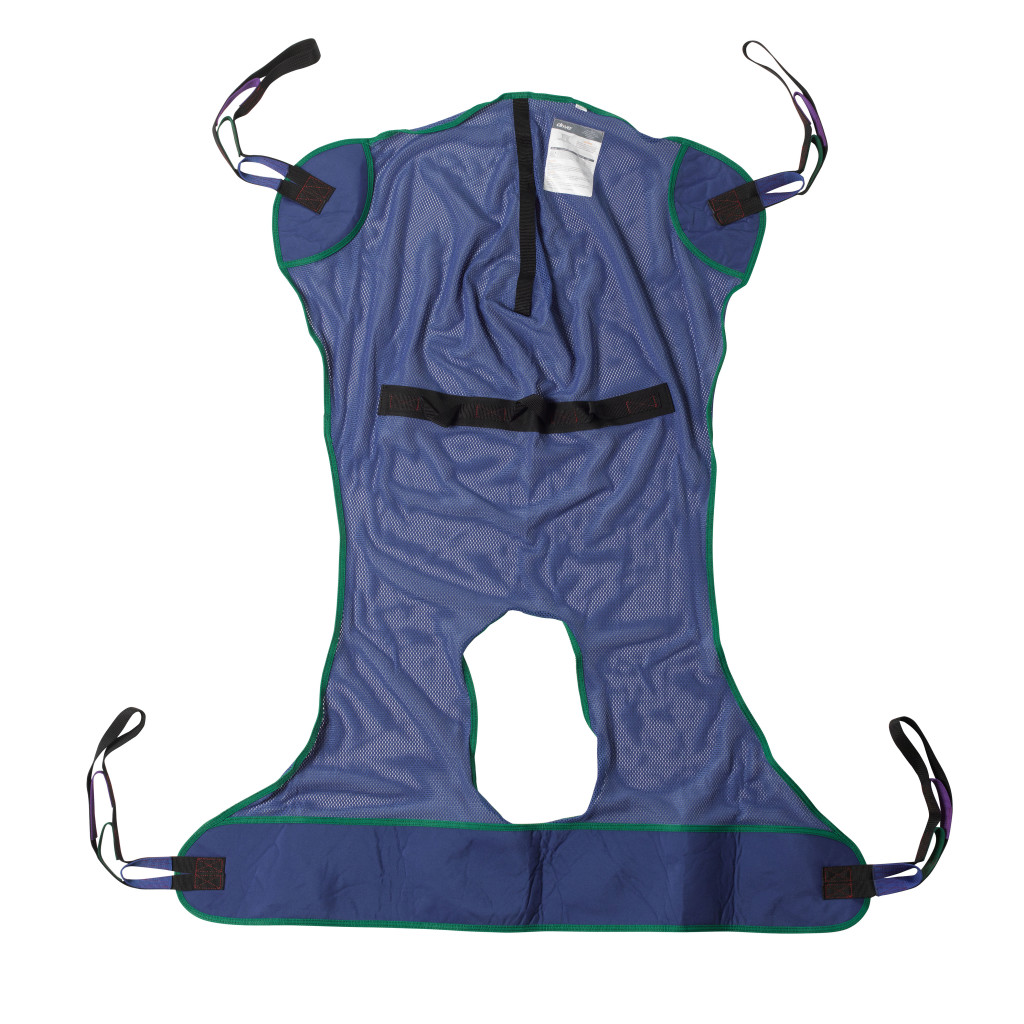
Hoyer Full-Body Sling

Hoyer Full-Body Sling

#13012 / #13222M / #13222L / #13224XL

Full-body sling for use with manual Hoyer lifts, providing head-to-toe support. Available in Standard, Medium, Large, and X-Large — call us for a sizing assessment.
Request Quote
Equipment

Hoyer Commode Cut-Out Sling

Hoyer Commode Cut-Out Sling

#13221L / #13221M / #13221XL

Full-body sling with a commode cut-out for toileting. Available in Medium, Large, and X-Large — call us for a sizing assessment.

Request Quote

Full Electric Hospital Bed Package — Help & FAQ

How do I use this device?
Use the hand pendant (remote control) to adjust the bed — each button shows a diagram of the movement it controls. The head section raises for eating, reading, or breathing comfort; the foot section can also be elevated. The overall bed height adjusts electrically for safe caregiver access or easy patient entry/exit. Always lower the bed to its lowest position and lock all four wheels before getting in or out of bed. Keep the call pendant within easy reach of the patient at all times.
How do I clean it?
Wipe the metal frame, side rails, and plastic components with a damp cloth and mild disinfectant or cleaner. Check for loose bolts as you clean. Launder bed linens at least once a week in hot water with antibacterial detergent. Do not use abrasive scrubbers or harsh chemicals on painted or plastic surfaces as they can cause damage over time.
What if it's not working?
If the bed won't adjust, move it away from the wall and remove anything blocking its movement, then check that the power cord is fully seated in the outlet — a loose plug is the most common cause of motor failure. If controls are unresponsive, inspect the cord for visible damage and try a different outlet. A noisy bed usually means moving parts need lubrication. If a wheel is stuck, clear debris from the caster. For continued problems, call our team at (718) 854-5501.

Semi-Electric Hospital Bed Package — Help & FAQ

How do I use this device?
A semi-electric bed uses a motorized hand pendant to raise and lower the head and foot sections electrically. The overall bed height is adjusted manually using a crank handle located at the foot of the bed — turn it clockwise to raise, counterclockwise to lower. Use the pendant's labeled buttons to position the head and foot for comfort or care. Always lower the bed to the lowest position and lock all four wheels before the patient transfers in or out.
How do I clean it?
Wipe the metal frame, side rails, and plastic surfaces with a damp cloth and mild disinfectant. Clean the hand pendant with a disinfectant wipe, avoiding moisture in the button openings. Launder bed linens at least once a week in hot water with antibacterial detergent. Inspect the crank handle and moving parts periodically for rust or wear.
What if it's not working?
If the electric functions stop responding, check that the power cord is fully plugged in and the outlet is working. If the crank height adjustment is stiff, apply a small amount of lubricant to the crank mechanism. If the pendant cord is damaged or disconnected from the bed frame, do not attempt to repair it — call our team at (718) 854-5501 for service.

Bariatric Hospital Bed — Help & FAQ

How do I use this device?
This extra-wide bariatric bed features a reinforced frame with a higher weight capacity than a standard hospital bed — confirm the maximum weight capacity on the label before use. Use the hand pendant to adjust the head and foot sections electrically. The wider deck and reinforced side rails provide added stability for repositioning. Always lower the bed to its lowest setting and lock all four wheels before patient transfers. Do not exceed the stated weight limit.
How do I clean it?
Wipe the frame, reinforced side rails, and all plastic parts with a damp cloth and mild disinfectant. Pay attention to the wider deck surface and any seams where moisture can collect. Launder bariatric-size linens weekly in hot water with antibacterial detergent. Inspect the frame and rail locking mechanisms periodically for wear or looseness.
What if it's not working?
Check the power connection and confirm the cord is fully plugged in. If a rail or locking mechanism is stuck, do not force it — inspect for debris or damage. For motor or electrical issues, do not attempt self-repair on a bariatric bed frame. Call our team at (718) 854-5501 for service.

Drive Low-Air-Loss Mattress — Help & FAQ

How do I set it up?
Place the mattress on the hospital bed frame with the pump unit accessible near the foot of the bed. Plug the pump into a grounded outlet and turn it on. Allow 20–45 minutes for the mattress to fully inflate before the patient lies down. Adjust the pressure setting as directed by your care team — correct pressure is when the patient feels supported but does not "bottom out" to the deck below. Use thin flat sheets only — fitted or thick sheets compress the air cells and reduce pressure-relief effectiveness.
How do I clean it?
Wipe the waterproof mattress cover with a damp cloth and mild disinfectant or cleaner — do not submerge any part of the system. Clean the pump unit exterior by wiping with a damp cloth. Change bed linens regularly. Inspect the air cell connections and pump tubing monthly for cracks, kinks, or wear.
What if the pressure seems off?
If the mattress feels flat or pressure is inconsistent, check for air leaks in the cells or connecting hoses — listen for a hissing sound. Confirm the pump is plugged in and running. Check that the pressure dial has not been accidentally changed. If a damaged air cell or hose is found, contact our team at (718) 854-5501 — do not attempt to repair air cells yourself.

Bariatric Low-Air-Loss 48" — Help & FAQ

How do I set it up?
This wider 48" low-air-loss mattress is designed for bariatric hospital beds. Place it on the bed frame with the pump unit accessible and plug into a grounded outlet. Allow 20–45 minutes for full inflation before the patient lies down. Set the pressure as directed by your care team — the correct level prevents the patient from "bottoming out" to the deck. Use only thin flat sheets; avoid fitted or heavy sheets that compress the air cells and reduce pressure-relief performance.
How do I clean it?
Wipe the waterproof mattress cover with a damp cloth and mild disinfectant after each soiling. Do not submerge the mattress or pump. Wipe the pump exterior with a damp cloth. Inspect air cell tubing and connections monthly for cracks or loose fittings. Change bed linens regularly to maintain hygiene.
What if the pressure seems off?
If the mattress feels deflated or uneven, listen for a hissing sound that may indicate a leak in an air cell or hose connection. Confirm the pump is on and the pressure dial matches the prescribed setting. Do not attempt to repair air cells yourself — call our team at (718) 854-5501 for a replacement or service visit.

Gel Mattress Overlay — Help & FAQ

How do I set it up?
Place the gel overlay directly on top of the existing hospital bed mattress, gel side up. Secure it using the elastic corner straps so it does not shift during use. Place a thin flat sheet on top for hygiene if desired. No power or inflation is required — the gel passively redistributes pressure away from bony areas such as heels, hips, shoulders, and the tailbone. This overlay is best suited for patients at lower risk for pressure ulcers or those with early-stage skin concerns.
How do I clean it?
The waterproof, wipeable cover can be cleaned by wiping with a damp cloth and a mild disinfectant. Do not use harsh solvents or abrasive scrubbers that can degrade the cover material. Allow the surface to dry before replacing bed linens. Inspect the cover periodically for tears or punctures that could expose the gel interior — replace the overlay if the cover is compromised.

Innerspring Mattress 36"x80" — Help & FAQ

How do I set it up?
Place the innerspring mattress directly on the hospital bed deck with the correct side up — look for the label indicator. Secure it to the frame if tie-down loops are present. Cover with a hospital bed-size fitted sheet for comfort and hygiene. To distribute wear evenly, rotate the mattress 180° once a month.
How do I clean it?
The mattress cover is waterproof and can be wiped with a damp cloth and mild disinfectant. For stains, spot-clean immediately with a mild soap solution — do not soak or saturate the mattress. Launder bed linens weekly in hot water. Replace the mattress if the cover is torn or support becomes uneven, as a compromised mattress can increase pressure ulcer risk.

Gravity 9 Premium LTC Pressure Mattress — Help & FAQ

How do I set it up?
Place the Gravity 9 mattress on the hospital bed frame per the orientation label. No pump or power is required — the multi-zone high-density foam construction passively redistributes pressure to protect at-risk skin areas including heels, hips, sacrum, and shoulder blades. Use a thin flat sheet for hygiene; avoid thick mattress pads or heavy toppers that reduce the pressure-redistribution effectiveness of the foam zones.
How do I clean it?
Wipe the fluid-resistant waterproof cover with a mild disinfectant wipe or damp cloth after each soiling. The cover is designed for easy cleaning in long-term care settings. Do not machine wash the mattress itself. Inspect the cover seams regularly — replace the mattress if the cover is torn or fluid has penetrated to the foam interior.

Trapeze Bar — Help & FAQ

How do I set it up?
Follow the manufacturer's instructions to mount the trapeze frame securely to the hospital bed frame or base stand. Set the bar height so the patient can reach and grip it naturally while lying flat — a slight bend in the elbows provides the best leverage. After installation, pull firmly in several directions to confirm there is no wobbling or shifting before allowing patient use. Lock the bed wheels in place before the patient uses the bar.
How do I use it safely?
The patient grips the handle with both hands and uses arm and shoulder strength to lift or reposition in bed. Only use the trapeze if your care team has confirmed it is appropriate for the patient's strength and medical condition. Caregivers should keep the bed at waist height and rails lowered when assisting. Never allow the patient to use the trapeze while the bed is in motion.
What if it feels unstable?
Stop use immediately if the bar wobbles, shifts, or makes unusual sounds. Inspect all mounting bolts and clamps for tightness. Do not continue using the trapeze until stability is confirmed. Call our team at (718) 854-5501 for an inspection or replacement if needed.

Drive Over-Bed Table — Help & FAQ

How do I use this device?
Roll the table into position by sliding the base under the bed frame so the top surfaces sit over the patient. Adjust the height using the lever or knob on the support column so the surface is at a comfortable working level. The tabletop can often be tilted for reading or eating. Lock the wheels once the table is in position. Place only light items on the table — it is intended for meals, books, and personal effects, not heavy equipment.
How do I clean it?
Wipe the laminate tabletop and all surfaces with a damp cloth and mild disinfectant after each meal or use. The laminate surface does not absorb liquids but prolonged standing spills can damage edges — wipe up spills promptly. Clean the base and casters periodically to prevent dust and debris buildup.
What if the height won't adjust?
Check the adjustment lever or knob for debris or damage. Ensure the locking mechanism is fully released before attempting to move the column, then re-lock fully once at the desired height. If a caster is sticking, clean around the wheel and check for hair or debris caught in the axle. For persistent problems, call our team at (718) 854-5501.

Hoyer Lift — Help & FAQ

How do I use this device?
Clear the transfer area of all obstacles before starting. Position and attach the appropriate sling to the patient while in bed (see the sling FAQ for detailed steps). Roll the Hoyer lift close to the bed and attach the sling loops to the spreader bar hooks — count chain links on both sides to confirm they are equal, ensuring the patient will be level when lifted. Operate the lift controls slowly to raise the patient, keeping all movements smooth. Confirm the patient is centered and comfortable in the sling before moving. Transfer to the destination, lower gradually, then unhook. A second caregiver should be present whenever possible.
How do I clean it?
Wipe the lift frame, spreader bar, and controls with a damp cloth and mild soap or disinfectant wipe after each use. Avoid harsh chemicals that can corrode the frame finish. Wash slings after each use per the sling care label. For electric lifts, check the battery charge regularly and recharge after each use — always check battery level before starting a transfer.
What if it's not working?
If the lift won't raise, check the battery charge level first, then confirm the spreader bar hooks are correctly engaged. Unusual noises during operation may indicate a mechanical problem — stop use and inspect for loose or damaged components. Wheels that won't lock should be cleaned of debris and inspected for damage. Never use a lift with a compromised spreader bar or damaged hydraulic/electronic mechanism. Call our team at (718) 854-5501 for service.

Hoyer Full-Body Sling — Help & FAQ

How do I attach this sling?
With the patient on their side, fold the sling lengthwise and tuck it behind their back. Roll the patient to the other side and unfold the sling so it lies flat beneath them, centered on the spine with the lower edge at the tailbone. Place the leg straps under each thigh. Attach all loops to the spreader bar using equal chain link positions on both sides so the patient sits level. The full-body design provides head-to-toe support for patients who need complete assistance with transfers and have limited trunk control — always verify the patient's weight is within the sling's rated capacity before lifting.
How do I wash it?
Check the care label before washing. Most nylon/polyester slings can be machine washed in warm water on a gentle cycle — no bleach or fabric softener. Tumble dry on low heat or air dry completely before next use. After every wash, inspect all seams, loops, and attachment points for fraying or wear. Do not use a sling with any damage.
What size do I need, and what if it doesn't fit correctly?
This sling comes in Standard, Medium, Large, and X-Large. A sling that is too loose allows the patient to slide; one that is too tight causes strap pressure and restricts circulation. Confirm loop attachment is at equal chain link positions on both sides of the spreader bar. If fit is still incorrect, call our team at (718) 854-5501 for a sizing assessment or exchange — using the wrong sling size is a fall risk.

Hoyer Commode Cut-Out Sling — Help & FAQ

How do I attach this sling?
Position the sling beneath the patient the same way as a standard sling — fold lengthwise, tuck behind the patient, roll them, and unfold flat with the lower edge at the tailbone. The cut-out opening in the sling fabric should align over the toilet bowl opening once the patient is transferred and lowered onto the commode. Attach loops to the spreader bar at equal chain link positions on both sides. Confirm the patient is stable in the sling before beginning toileting.
How do I wash it?
Machine wash in warm water on a gentle cycle — no bleach or fabric softener. Mesh sizes dry quickly; tumble dry on low heat or air dry completely before reuse. Inspect all seams, loops, and the commode opening edges for fraying or wear after every wash. Do not use a damaged sling.
What size do I need, and what if it doesn't fit correctly?
This sling comes in Medium, Large, and X-Large, with mesh fabric available on select sizes for added drainage during bathing transfers. If the commode opening doesn't align properly over the toilet or the patient feels unsupported, adjust the loop positions on the spreader bar. If problems persist, the sling may be the wrong size — call our team at (718) 854-5501 for a sizing assessment.
Need bed & lift supplies?

Pressure mattresses, alternating pressure pads, Hoyer lift slings & more — view the full list in our Supplies Catalog.

View Supplies Catalog

Need Help?

For a medical emergency please dial 911.
For equipment questions our team is here Mon–Fri 9 AM – 5 PM.

Contact Our Team   (718) 854-5501